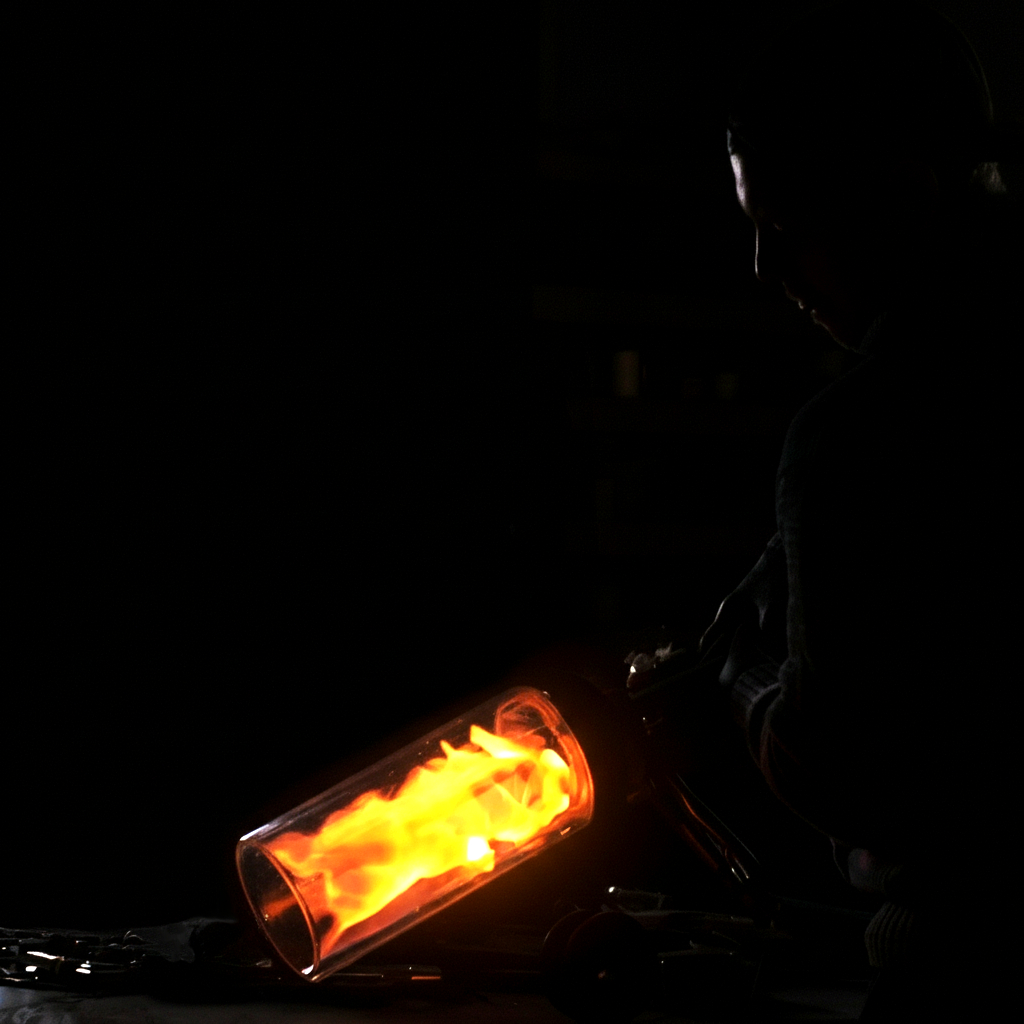

Citronella Outdoor Torches for Patios and Gardens
Oct 20, 2026
Citronella Outdoor Torches: Scent vs. Insect Claims, Safe Use, and Fire Bans
A citronella scent and an insect-repellent claim are two different things. Citronella torch fuel is identified by its scent, but a fuel that claims to repel mosquitoes is making a separate promise. Judge that by the product's label, not by the aroma alone.
The flame matters too. A citronella torch adds a warm focal point and helps define a patio or garden after dark. This guide explains how to read citronella fuel labels and customer reviews, how to set up, light, and store torches safely, and how fire bans and local rules apply. It also introduces HaloFire's citronella vortex torches and CitroFlame™ fuel.
Key Takeaways
- A citronella scent and a mosquito-repellent claim are different. Read the label's stated purpose.
- Customer reviews show how a torch worked in one setting. They aren't a guarantee for yours.
- Use only the fuel your torch specifies. Never refill a lit or hot torch.
- A citronella scent doesn't make torch smoke harmless or a flame safe to leave unattended.
- Citronella torches are open flames. Check fire bans and property rules before lighting.
Scent vs. Insect Claims: Reading the Label
"Citronella-scented" describes a fragrance. A fuel that claims to repel mosquitoes makes a different, more specific claim. Read the exact wording before choosing:
- Product identity: the name and fuel type
- Claim: scent, insect deterrence, or both
- Directions: how to use and handle it
- Warnings: precautions before opening or pouring
Then match the fuel to your torch. Liquid-fuel and gas torches use different fuel systems, and their fuels are never interchangeable. Use only the fuel your torch's instructions specify.
Setting expectations
Even with a citronella fuel, no torch can promise a mosquito-free evening. Breeze, open space, and the number of torches all affect the experience. For individual bite protection, use a personal repellent according to its label and follow current CDC guidance.
How to Read Customer Reviews
A review shows how a torch worked in one person's setting: a quiet dinner on a sheltered patio is very different from a breezy open deck. Reviews are most useful when you sort them by what they actually describe.
- Fuel: Does the reviewer name the fuel?
- Setting: Was the torch beside a table, on a lawn, or on a deck?
- Use: Do they mention lighting, the wick, or the fuel level?
- Outcome: Is the comment about scent, the flame, or insects?
"The citronella scent was noticeable at our table" is useful feedback about aroma. "Mosquitoes disappeared all evening" tells you little about the conditions. A complaint about a weak flame may point to the wick, fuel level, or lighting technique rather than the torch.
Look for patterns across many reviews, such as repeated comments about the flame or the scent. One dramatic review isn't proof either way.
Setting Up, Lighting, Extinguishing, and Storing Torches
Start with the torch's instructions. Check its fuel type, placement guidance, and lighting method.
- Set up. Place or secure the torch on a stable surface, away from foot traffic, fabric, umbrellas, and overhanging branches. Follow its clearance guidance.
- Fill. Use only the specified fuel and don't overfill. Wipe up spills, close the container, and move it away before lighting.
- Light. Follow the torch's lighting directions, and keep your face, hands, and clothing clear of the flame.
- Extinguish. Use the method in your torch's instructions, and confirm the flame is out before leaving the area.
Never refill a lit or hot torch
Pouring fuel into a burning or hot torch can cause the fuel to ignite and splash. Always let the flame go out and the torch cool before refilling, and never pour fuel toward a flame.
Storage
Store fuel in its original labeled container with the cap secured, away from heat, ignition sources, children, and pets. Never store fuel near food or drinks, where it could be mistaken for something else. Between uses, cover HaloFire liquid-fuel torches with a canvas cover, so rain stays out of the fuel reservoir and wick.
Fire and Smoke: Using Citronella Torches Responsibly
Fire
A torch's flame can ignite cushions, dry leaves, paper napkins, or hanging fabric. Before lighting, check above and around the torch, and never move a lit torch. Spilled fuel is also an ignition risk, so keep containers closed and clean up spills before lighting.
Smoke
Torch smoke can irritate some people, especially near seating. Place torches so smoke drifts away from guests, and keep them away from doors, windows, and enclosed spaces where smoke could collect. If smoke causes discomfort, move away and extinguish the torch. A citronella scent doesn't make smoke harmless.
Supervision
Keep children and pets away from lit torches, and never leave a flame unattended. If a fire spreads beyond the torch, move everyone away and call emergency services.
Fire Bans and Local Rules
A citronella torch is an open flame, whatever its scent. Don't assume it's exempt from a fire ban.
- Identify your location: your property, a park, a campground, or a venue.
- Find the current order from the agency that issued it, not an old post.
- Read the device terms: look for "open flame," "torch," or "liquid fuel."
- Check exceptions, and confirm they actually cover your torch.
- Check property rules: leases, HOAs, campgrounds, and venues may limit open flames even when no ban is in place.
Fire bans change with conditions, so check the notice on the day you plan to light. Permission on your own deck doesn't mean permission at a beach or a park. If the rules prohibit open flames, leave the torch unlit.
HaloFire Citronella Vortex Torches
HaloFire's portable liquid-fuel torches spin the flame into a defined upright vortex, turning a citronella torch into a design element.
- CitroFlame™ is HaloFire's citronella liquid fuel. In compatible torches it produces a larger visible flame and adds citronella-based outdoor insect deterrence.
- Helion™ is a rugged, all-metal, glass-free vortex torch that works best with CitroFlame™.
- Vortek™ Liquid-Fuel Torch delivers a fast, tight vortex. CitroFlame™ is recommended for its strongest, longest-burning flame.
Prefer a refined flame without the citronella? HaloFire's ClearFire™ is a clean-burning, smoke-free liquid fuel. The Triton™ table torch uses ClearFire™ only.
For permanent architectural fire, HaloFire also makes gas torches, including the Torrent™ Wall Mounted Torch, Torrent™ Stand-Alone, Tempo™, and Hollywood™. Those run on natural gas or propane, never on liquid fuel.
Explore HaloFire's citronella vortex torches and CitroFlame™ at halofiretorch.com.
Frequently Asked Questions
How do citronella torches work?
In a liquid-fuel torch, a wick draws citronella fuel up from a reservoir, and the burning wick produces the flame and releases the citronella scent. Use only the fuel your torch specifies.
Do citronella torches repel mosquitoes?
Citronella fuel adds outdoor insect deterrence, but no torch can guarantee a mosquito-free evening. For individual protection, use a personal repellent and follow current CDC guidance.
Can I use citronella fuel in a gas torch?
No. Liquid fuel never goes in a natural gas or propane torch.
Which HaloFire torches use CitroFlame™?
CitroFlame™ is recommended for the Helion™ and the Vortek™ Liquid-Fuel Torch. The Triton™ uses ClearFire™ only.
Can I refill a torch while it's lit?
Never. Let the flame go out and the torch cool before refilling.
Can I use a citronella torch during a fire ban?
Check the current order for your location. A citronella torch is an open flame, and its scent doesn't exempt it from a ban.
Can I leave citronella torches outside in the rain?
HaloFire liquid-fuel torches can stay outside with a canvas cover in place. Extinguish them before covering.