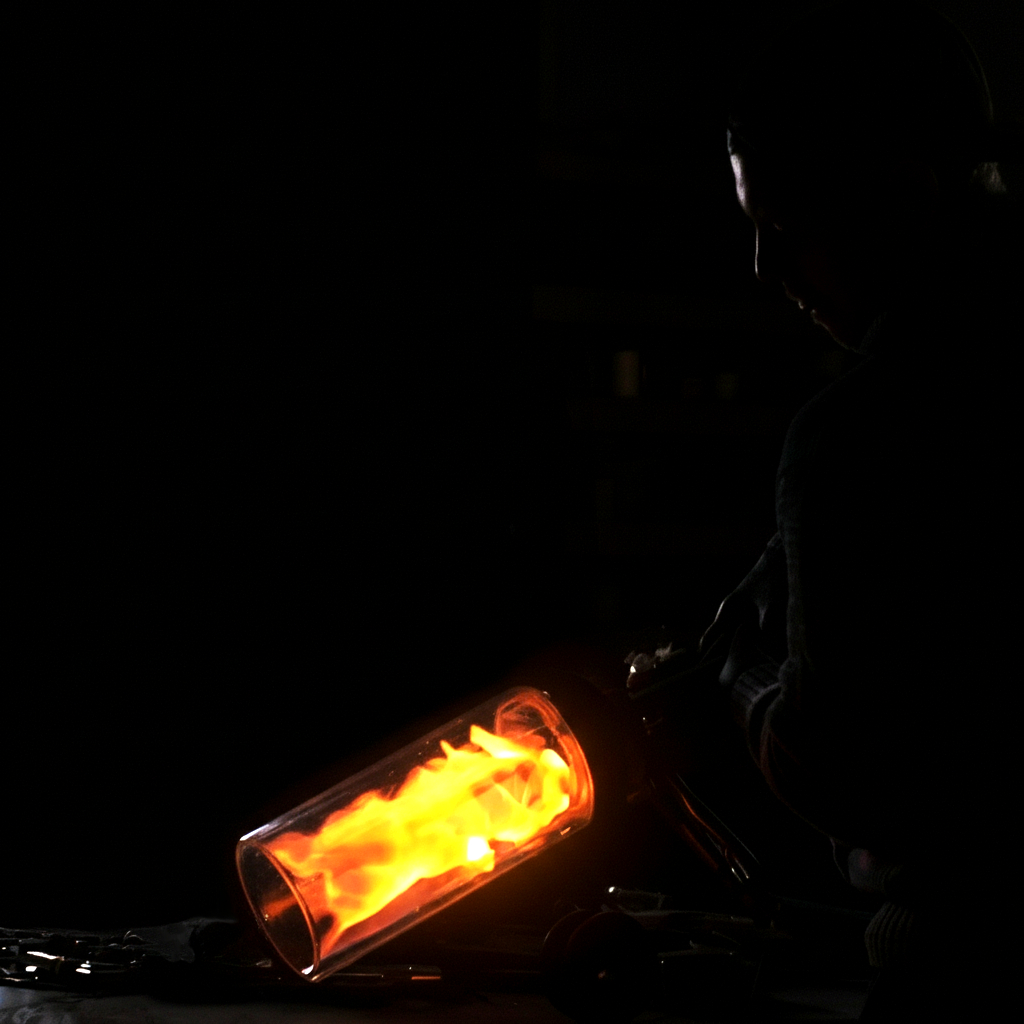

Custom Fire Feature Design Services in Los Angeles
Nov 09, 2026
Custom Architectural Fire Features: How the Design Process Works
Some projects call for fire that doesn’t come from a catalog: a vortex flame scaled to a two-story entrance, a feature shaped to a resort’s architecture, or a signature piece that becomes the image of a property. That’s where custom architectural fire design comes in.
This guide explains what a custom fire feature involves, how the design process works, what to prepare, how permits and gas planning fit in, and how HaloFire approaches custom work.
Key Takeaways
- Custom fire design starts with the role fire should play: a landmark, a focal point, an arrival, or an experience.
- Concept renderings let you judge scale, placement, and sightlines before anything is built.
- Gas supply, burner, ignition, and controls are designed together with the feature’s form.
- Plan permits and gas routing early, before hardscape and landscaping are finished.
- HaloFire designs and manufactures the fire feature; licensed professionals handle gas connections and site construction.
When a Project Calls for Custom Fire
A standard product is often the right answer. Custom design makes sense when:
- Scale is beyond standard sizes, such as a tower for a two-story façade or a feature meant to be seen from a long distance.
- The architecture is distinctive, and fire needs to follow its geometry, materials, or lines.
- The project is hospitality or commercial, where fire is part of a brand experience or a guest’s first impression.
- Fire needs to work with water, walls, or landscape in a way no standard product does.
How the Design Process Works
- Brief: Define the fire’s role, the setting, the fuel available, and how the space will be used. Share architectural plans, site photos, and inspiration.
- Concept: Develop the form, flame character, and scale, with concept renderings that show the feature in its setting.
- Technical development: Resolve the burner, gas delivery, ignition, controls, materials, and structure.
- Coordination: Align the design with the architect, builder, landscape team, and gas professional, including the gas route, power, and service access.
- Fabrication: Build the feature.
- Installation and commissioning: The site team installs it and a licensed gas professional makes the connections. Then it’s tested and operated per its instructions.
Scale, Placement, and Sightlines
Renderings let you check a feature from every viewpoint that matters before it’s built:
- From the approach: How does it read on arrival, from the drive or the street?
- From inside: What do you see from the main rooms and windows?
- From the seating: Is the flame visible without crowding the gathering area?
- Against the architecture: Does it feel proportionate to the façade, the pool, or the terrace?
Trace the circulation as well. A feature that looks balanced in a plan view can still interrupt the route between the house, the seating, and the pool.
Gas Supply, Burners, Ignition, and Controls
A custom gas feature is a system, and each part shapes the result.
- Fuel: Natural gas connects to the site’s supply; propane needs a tank and delivery plan. Neither automatically produces a better flame.
- Burner and gas delivery: Burner design, orifice sizing, pressure, regulator capacity, piping, run length, and gas volume determine how the flame performs, especially at large scale.
- Ignition and controls: Decide how the feature will be lit and controlled, whether by push-button, switch, or smart control, and where the controls will be.
- Access: Plan service access to the burner, valves, and connections before finishes close them in.
Document these decisions with the site plan so the gas rough-in, burner position, and finished structure stay aligned through construction.
Permits and Approvals
Permit requirements vary by jurisdiction, fuel, and how permanent the installation is.
- Start early, while the design is still flexible.
- Ask the local permitting office which approvals apply, sharing the address, the feature type, the fuel, and the location.
- Check HOA rules separately; they can affect placement and appearance.
- Schedule inspections before gas lines and other work are covered.
- Report design changes that could affect a reviewed plan.
Working with the Project Team
A custom fire feature involves several disciplines:
| Role | Responsibility |
|---|---|
| Fire feature designer and manufacturer | The feature’s design, burner system, and fabrication |
| Architect or landscape architect | Placement, sightlines, and integration with the overall design |
| Builder or contractor | Supporting structure, surrounds, and site work |
| Licensed gas professional | Gas piping, connections, and testing |
| Electrician | Power for ignition and controls, if needed |
Clear roles and shared drawings help catch conflicts before construction.
HaloFire Custom Architectural Fire
HaloFire designs and manufactures architectural fire features where the flame itself is the focal point. Its patented vortex technology spins fire into a defined vertical column, and custom work extends that to the scale and form a project calls for: towers scaled to tall façades, vortex features shaped to a building’s architecture, and signature pieces for residences, restaurants, and resorts.
HaloFire’s standard collection is also a starting point for custom projects:
- Torrent Tower™: A permanent vertical vortex feature for natural gas or propane, about 56 inches tall in its standard size
- Torrent™ Wall Mounted Torch: For walls, columns, and entrances
- Tempo™ and Hollywood™ Tall Torches: For terraces, pool edges, and perimeters
- HaloPit™: An architectural drop-in gas fire pit
HaloFire designs and builds the fire feature; it does not provide on-site gas-line installation. Gas piping and final connections should be completed by a licensed gas professional following the product instructions and local requirements.
Contact HaloFire to start a custom design conversation.
Frequently Asked Questions
When should I choose a custom fire feature over a standard product?
When the scale, architecture, or experience calls for something no standard product delivers, such as a feature sized to a tall façade or designed around a resort’s identity.
What should I bring to a first design conversation?
Architectural plans, site photos, the intended use, the fuel available, and images of the look you want.
Can I see the design before it’s built?
Concept renderings show the feature in its setting, so you can judge scale and placement before fabrication.
Do custom fire features need permits?
Often, especially with permanent gas connections. Requirements vary by jurisdiction, so check with your local permitting office early.
Who installs a custom fire feature?
The site team installs the feature and its supporting structure, and a licensed gas professional makes the gas connections. HaloFire designs and manufactures the feature.
What clearances does a custom fire feature need?
They depend on the specific design, fuel, and installation. They’re established during technical development and must meet local requirements.