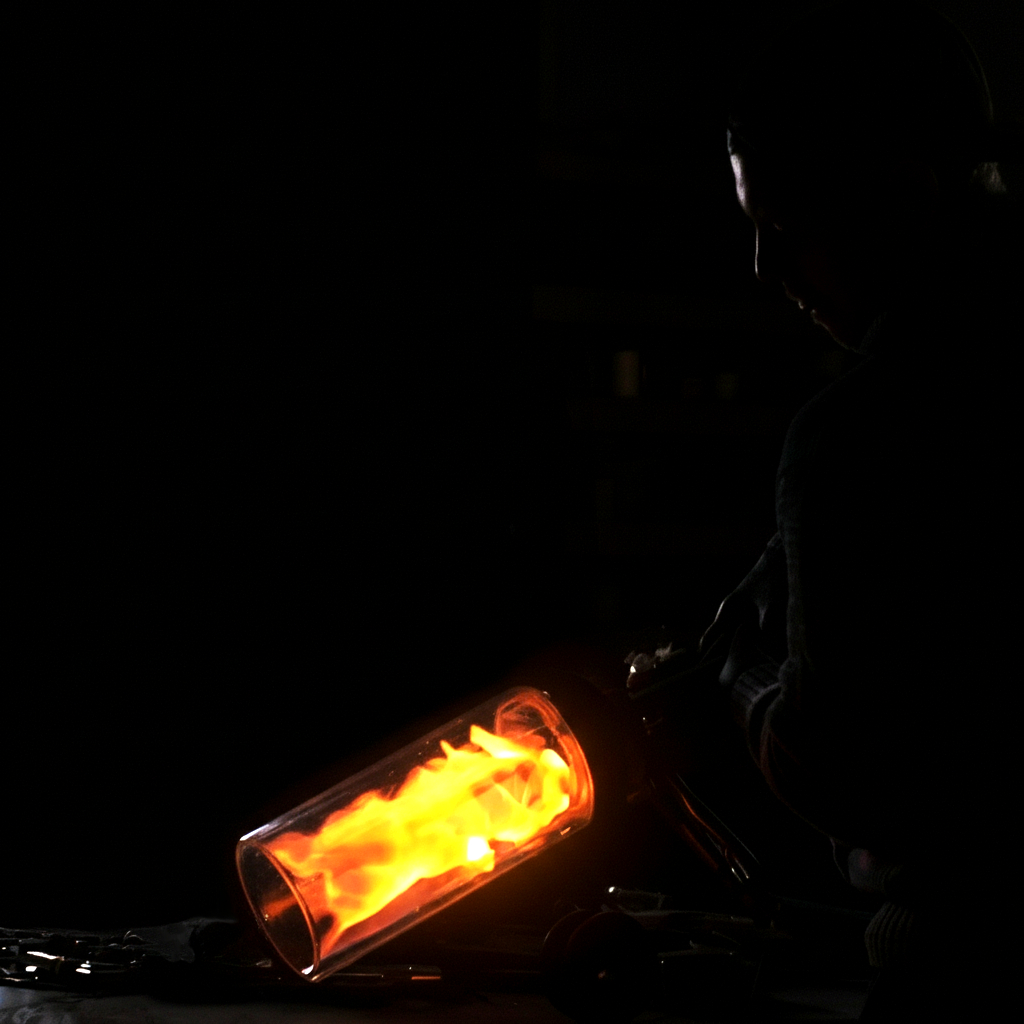

Elemental Command: The Definitive Guide to Custom Gas Fire Pits
Sep 17, 2026
Fire has always been a natural focal point. In a well-designed outdoor space, it can become part of the architecture itself.
A custom gas fire pit goes beyond the standard backyard fire bowl. It can be designed around the scale, materials and geometry of the surrounding environment, creating a permanent focal point that feels intentional rather than added on.
But achieving a dramatic flame requires more than appearance alone. Burner design, gas supply, BTU requirements, ventilation, ignition, materials and clearances all play a role in how a fire feature ultimately performs.
This guide explores the fundamentals of custom gas fire pit design, including natural gas and propane, burner performance, material selection, scale, safety considerations and the possibilities of vertical architectural fire.
Key Takeaways
- A custom gas fire pit can become a permanent architectural element rather than simply an outdoor accessory.
- Burner design and adequate gas supply are critical to achieving the desired flame size and appearance.
- Material selection should account for heat, weather exposure, corrosion resistance and the architecture surrounding the installation.
- Natural gas and propane can both produce impressive flame performance when the system is properly engineered for the fuel source.
- Scale matters. The dimensions and flame output of a fire feature should be proportional to the environment around it.
- Fire doesn't have to remain horizontal. Vertical fire features can create an entirely different architectural experience.
The Architectural Anchor: Why Custom Gas Fire Pits Transform Outdoor Spaces
Fire is primal. It naturally draws people toward it.
For centuries, outdoor fire was primarily functional—a source of heat, light and cooking. Today, fire can also become a deliberate part of architectural and landscape design.
A custom gas fire pit can define a seating area, establish the center of an outdoor room or create a transition between different areas of a property.
Unlike a portable fire bowl that is placed into a finished landscape, a custom feature can be designed as part of the landscape from the beginning.
The dimensions, materials, burner configuration and flame output can all be selected to complement the surrounding architecture.
The result is a fire feature that looks like it belongs there.
Custom vs. Prefabricated Fire Features
Prefabricated fire pits and concrete tables—such as those available from Top Tier Patio Gear—work well in many environments, but they naturally limit your options for size, materials, burner configuration and installation.
Custom design removes many of those limitations.
A custom gas fire pit can be built around existing masonry, architectural metalwork, pool geometry, seating arrangements or other site-specific requirements.
Burner output can also be selected according to the size and intended purpose of the installation.
A small conversational fire feature may require relatively modest flame output. A large architectural installation in an expansive outdoor environment may require considerably more.
The objective isn't simply to build a bigger fire.
It's to create the right fire for the space.
Creating an Outdoor Focal Point
Fire changes an environment after dark.
During the day, architecture is defined primarily by form, texture and material. At night, light becomes part of the composition.
A thoughtfully positioned fire feature can highlight stone, steel, water and landscaping while providing movement that conventional landscape lighting cannot.
The flame is constantly changing.
That movement naturally attracts attention and gives the outdoor environment another layer of visual depth.
Whether the centerpiece is a custom gas fire pit, a linear burner or a vertical vortex fire feature, the goal is the same: make the flame an intentional part of the architecture.
Engineering the Flame: Gas Fire Pit Mechanics
A custom gas fire pit requires more than a burner connected to a gas line.
The performance of the finished feature depends on several factors working together, including burner design, available gas pressure, gas volume, piping capacity, ventilation and ignition.
A large burner cannot produce its intended flame if the gas supply feeding it is inadequate.
For that reason, the desired flame performance should be considered early in the design process rather than after the surrounding structure has already been built.
The Heart of the Feature: Burner Technology
The burner determines much of the appearance and behavior of the flame.
Different burner geometries distribute gas differently, producing different flame patterns. Linear burners create a long band of fire. Ring burners distribute flame around a circular pattern. Custom burner configurations can create shapes and flame effects specific to an architectural installation.
Material selection also matters.
Stainless steel is commonly used in outdoor burner systems because of its durability, heat resistance and corrosion resistance.
The burner must then be properly matched to the fuel source and available gas supply.
Natural gas and propane require different orifice sizing and system configurations. A burner designed for one fuel should not simply be connected to the other without the appropriate components and engineering.
Manual and Electronic Ignition
Ignition is another important consideration.
Some outdoor fire features use simple manual or match-lit systems. Others incorporate electronic ignition systems that provide push-button operation and additional flame-monitoring capabilities.
Electronic ignition can be particularly useful for permanent architectural installations and commercial or hospitality environments.
Depending on the system, electronic ignition may also provide automatic gas shutoff if flame is lost.
Outdoor electronics, valves and ignition components must be appropriately protected from moisture and environmental exposure.
The correct system depends on the application, applicable codes and the requirements of the individual fire feature.
Ventilation and Airflow
Fire needs air.
Proper ventilation is particularly important when gas components or propane cylinders are contained within an enclosure.
Ventilation requirements depend on the fuel source and system design and should follow the manufacturer's specifications and applicable codes.
Airflow around the flame itself can also dramatically affect flame behavior.
At HaloFire, airflow isn't simply treated as something to overcome. In products such as our vortex fire features, airflow is deliberately controlled to influence the movement and shape of the flame.
That's where engineering becomes part of the visual design.
Fire Media and Architectural Integration
The materials surrounding the burner influence both the appearance and performance of a custom gas fire pit.
Depending on the system, fire media may include:
- Fire Glass: Creates a clean, contemporary appearance while reflecting the light of the flame.
- Lava Rock: Provides a natural, textured appearance suited to a wide range of outdoor environments.
- Approved Ceramic Media: Can provide a more traditional appearance when specifically designed and approved for the fire feature.
Only media approved for the particular burner and installation should be used.
Custom gas fire pits can also be integrated into masonry, concrete, stone or fabricated metal structures, allowing the fire feature to complement the architecture around it.
The surrounding structure must be designed for the temperatures produced by the fire and maintain all required clearances.
Materiality and Scale: Designing for Permanent Impact
Material selection is one of the defining elements of a custom fire feature.
The enclosure has to do more than look good. It must tolerate outdoor exposure and the thermal conditions created by the burner.
Stainless steel, aluminum, concrete, masonry and stone can all play a role depending on the application.
Each creates a different architectural effect.
Stone and concrete provide visual mass and can integrate naturally with hardscape.
Metal allows for thinner profiles, crisp geometry and more sculptural forms.
Glass can provide protection while preserving visibility of the flame.
The best choice depends on the architecture surrounding the installation and the engineering requirements of the fire feature itself.
The Power of Architectural Metal
Metal opens possibilities that are difficult to achieve with masonry alone.
Fabricated steel, stainless steel and aluminum can create precise geometric forms, allowing a fire feature to function almost like a piece of outdoor sculpture.
Different metals also behave differently outdoors.
Stainless steel provides excellent durability and corrosion resistance. Properly selected aluminum alloys provide excellent corrosion resistance while reducing weight. Certain steels can be intentionally allowed to weather and develop a patina.
Finish selection should account for the local environment, particularly in coastal locations where salt exposure can accelerate corrosion.
The material should serve the design—but it also needs to survive where it is installed.
Sizing the Fire Feature
Scale defines the experience.
A fire feature that is too small can disappear within a large patio or landscape. One that is too large can dominate the environment and interfere with circulation or seating.
There is no universal ideal diameter or height.
The correct proportions depend on the surrounding architecture, seating arrangement, desired flame size, heat output and required clearances.
A large pool deck or expansive commercial patio may call for a substantial feature. An intimate residential seating area may benefit from something considerably smaller.
The same principle applies to flame size.
More BTUs are not automatically better.
The goal is appropriate flame performance for the scale and purpose of the installation.
Fueling the Flame: Natural Gas vs. Propane
Natural gas and propane can both produce impressive outdoor fire.
The right choice depends on available infrastructure, installation requirements and how the feature will be used.
The important distinction isn't simply which fuel is "more powerful."
A properly engineered system matches the burner, orifices, regulator, piping and available gas supply to the fuel being used.
Natural Gas
Natural gas is particularly well suited to permanent architectural installations.
A dedicated gas line eliminates the need to refill or replace portable cylinders, making natural gas convenient for frequently used fire features.
The system must, however, be capable of supplying the required volume of gas at the specified inlet pressure.
This becomes especially important with high-BTU fire features.
Pipe diameter, total run length, available supply pressure, regulators and other appliances sharing the gas system can all affect available capacity.
For that reason, gas supply requirements should be evaluated before installation.
HaloFire provides product-specific gas requirements, while the gas line and final connection should be completed by a qualified professional in accordance with applicable codes.
Propane
Propane provides an alternative when natural gas isn't available or when a self-contained fuel supply is desirable.
Many residential propane appliances operate at approximately 11 inches water column after regulation, while natural gas appliances commonly operate at lower pressures. However, pressure alone does not determine flame size.
Burner design, orifice sizing, regulator capacity and available gas volume must all be engineered as a system.
Large-output propane fire features may also require appropriately sized tanks and regulators to maintain adequate vaporization and gas flow.
The important principle is simple:
Design the fuel system around the fire feature—not the other way around.
Beyond the Fire Pit: Vertical Architectural Fire
A custom fire feature doesn't have to be a pit.
Once fire is treated as an architectural element, the possibilities become much broader.
Fire can rise vertically.
It can mount to a wall.
It can frame an entrance.
It can stand beside a pool.
It can become a column of moving light rather than a horizontal burner at ground level.
This is where HaloFire's approach to architectural fire becomes different.
The HaloFire Approach to Architectural Fire
At HaloFire, the flame comes first.
We design fire features around the idea that fire itself should be the focal point.
That philosophy has led us beyond conventional fire pits and into vortex flames, vertical fire features, wall-mounted installations and custom architectural projects.
Rather than simply enclosing a standard burner in a decorative structure, we look at how airflow, scale, materials and flame movement can work together.
The objective is simple:
Make fire worth looking at.
The Torrent Tower™: Fire Goes Vertical
The Torrent Tower™ Stand Alone Fire Feature takes the basic concept of an outdoor fire feature and turns it vertically.
Instead of placing the flame below eye level inside a conventional fire pit, the Torrent Tower elevates it within a tall architectural structure.
Its vortex design creates a spinning vertical flame that becomes visible across a much larger area than a traditional low-profile fire feature.
Placed beside a pool, on a terrace or flanking an entrance, the Torrent Tower functions as both a fire feature and an architectural object.
Even when it isn't operating, the structure remains part of the landscape.
When the flame is lit, the architecture comes alive.
Custom Architectural Fire Features
Some projects require something that doesn't exist yet.
HaloFire works with designers, architects, builders and property owners on custom fire installations that extend beyond our standard product collection.
That can involve modifying scale, developing new configurations or creating entirely custom fire features around the requirements of a project.
Custom work requires collaboration.
Gas supply, ignition, ventilation, structural requirements, clearances and serviceability all need to be considered alongside appearance.
The earlier those elements are addressed in the design process, the more seamlessly fire can be incorporated into the finished architecture.
Gas Fire and Portable Liquid-Fuel Fire
Not every project requires permanent gas infrastructure.
HaloFire also produces portable liquid-fuel torches designed for environments where gas plumbing isn't practical or portability is desirable.
These systems are separate from our natural gas and propane products.
HaloFire liquid-fuel torches use compatible fuels such as ClearFire™ and CitroFlame™.
ClearFire™ is designed to provide a clean-burning flame in compatible HaloFire products.
CitroFlame™ combines a larger visible flame with citronella for outdoor environments where insect deterrence is desirable.
Liquid fuel should never be introduced into a natural gas or propane fire feature. Likewise, gas products should only be operated using the fuel and components specified for that product.
Design Fire Around the Architecture
The best custom gas fire pit doesn't look like something that was placed onto a finished patio.
It looks like it was always supposed to be there.
That requires balancing architecture with engineering.
The scale has to work.
The materials have to work.
The burner has to work.
And the gas supply has to support the flame you expect to see.
When those elements come together, the result is more than an outdoor appliance.
Fire becomes part of the architecture.
At HaloFire, that's exactly where we believe it belongs.
Where fire is art.
Explore HaloFire gas fire features, vortex torches and custom architectural fire solutions to discover what fire can become when the flame drives the design.
Frequently Asked Questions
What is the difference between a custom gas fire pit and a gas fireplace?
A custom gas fire pit is generally an open outdoor feature designed to be viewed and gathered around from multiple directions.
A gas fireplace is typically integrated into a wall or structure and presents the flame primarily from one direction.
Both can use natural gas or propane, but their burner configurations, enclosures, ventilation and installation requirements may differ significantly.
Do I need a permit to install a custom natural gas fire pit?
Permit and inspection requirements vary by jurisdiction and by the type of installation.
A project involving a new or modified permanent gas line may require permits, inspections and work performed by a qualified or licensed professional.
Before beginning an installation, consult your local authority having jurisdiction and follow the fire feature manufacturer's installation requirements.
Can HaloFire install the gas line for my custom fire feature?
HaloFire manufactures and designs fire features but does not provide local gas-line installation.
Gas supply piping and final connections should be completed by an appropriately qualified professional in accordance with local requirements and the specifications provided for the HaloFire product.
For custom projects, coordinating gas requirements early in the design process can help prevent supply limitations later.
Which produces a better flame: natural gas or propane?
Neither fuel inherently produces a "better" flame.
Both natural gas and propane can produce substantial, visually impressive flames when the burner and fuel system are properly engineered.
Propane contains more energy per unit volume and is typically supplied to appliances at a different regulated pressure than natural gas. Natural gas, however, can support very high-output fire features when adequate piping capacity and gas volume are available.
The correct choice depends on the installation and available infrastructure.
How many BTUs should a custom outdoor fire pit have?
There is no single BTU rating that defines a high-performance fire feature.
Required output depends on burner size, desired flame appearance, intended heat output, environmental exposure and the scale of the installation.
A smaller residential feature may require substantially less gas than a large architectural installation.
Rather than selecting a fire feature based on the largest BTU number available, determine the desired experience first and then make sure the gas infrastructure can support the required output.
Can a custom gas fire pit be installed on a wood or composite deck?
That depends on the specific fire feature, enclosure, deck material, required clearances and manufacturer's installation instructions.
Combustible surfaces require careful consideration because heat can be transferred through the enclosure as well as directly from the flame.
Never assume that a fire feature is suitable for installation on a combustible deck simply because it is gas-powered.
Follow the product's installation requirements and applicable local codes, and consult a qualified professional when necessary.
How do I maintain a custom gas fire feature?
Maintenance requirements vary by product, but generally include keeping burner openings and ventilation areas clear of debris, periodically cleaning glass and exterior surfaces, and inspecting ignition and gas components as specified by the manufacturer.
Outdoor fire features should also be inspected for environmental exposure, corrosion or obstruction after extended periods without use.
Follow the maintenance instructions provided for the individual fire feature.
Can I use ClearFire™, CitroFlame™ or other liquid fuel in a gas-powered fire pit?
No.
Liquid fuel should never be added to a natural gas or propane fire feature.
HaloFire ClearFire™ and CitroFlame™ are intended only for compatible HaloFire liquid-fuel products.
Natural gas and propane products should be operated exclusively with the fuel type and components specified for that particular fire feature.
Fire Doesn't Have to Stay in the Pit
The traditional outdoor fire pit will always have its place.
But fire can do much more.
It can become part of a wall, rise vertically beside a pool, define an entrance or become a custom architectural installation designed specifically for the space around it.
The technology is important. The materials are important. The engineering is essential.
But ultimately, everything exists to serve one thing:
The flame.
HaloFire — Where fire is art.