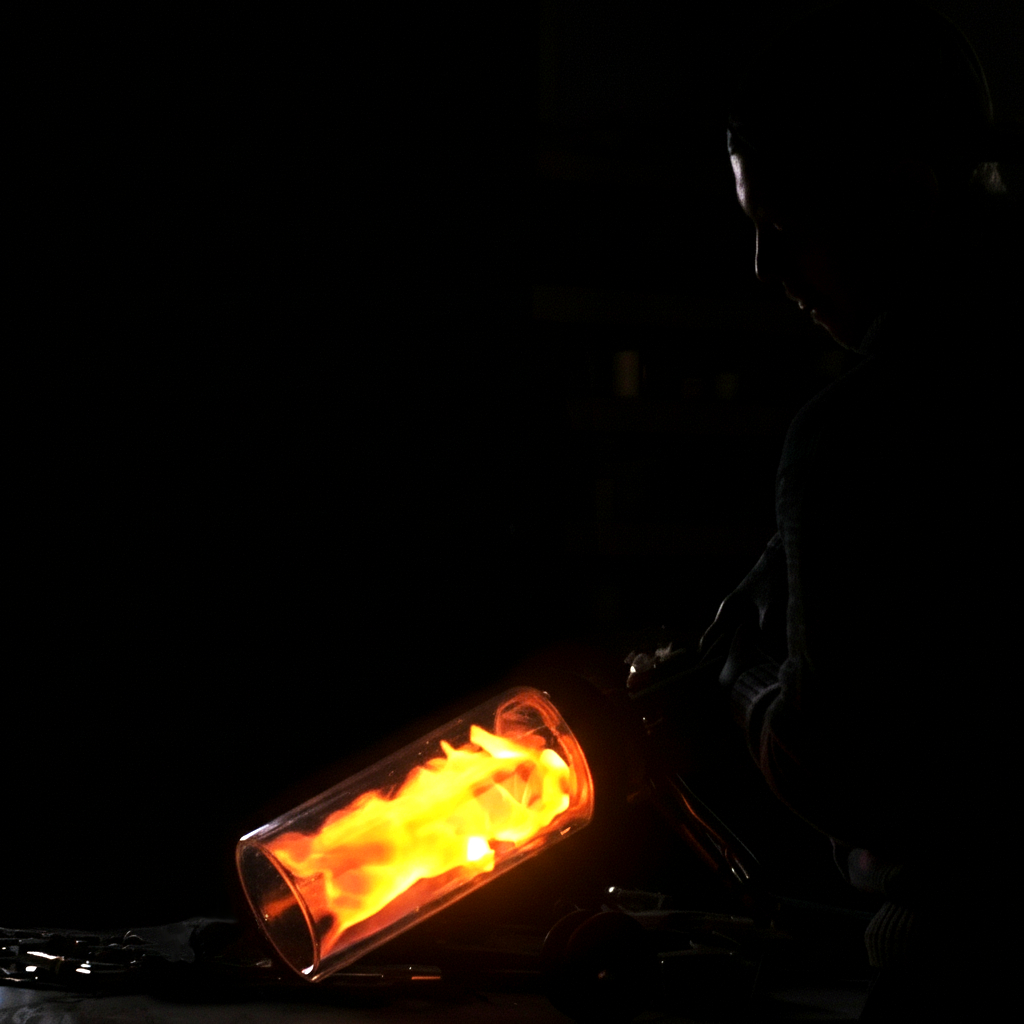

Fire Bowl Design: 5 Ideas for a More Considered Outdoor Space
Oct 13, 2026
Fire Bowl Design Ideas: Shape, Placement, and When to Go Architectural
What makes a fire bowl work in an outdoor space isn't its size alone. Shape and placement decide how a fire feature relates to seating, sightlines, and the surrounding architecture. A low, round bowl can anchor a conversation area. A linear feature can follow a long terrace. A vertical flame can mark a space from across the yard.
This guide covers five fire bowl design ideas, how bowl, linear, vertical, and drop-in forms compare, and how to plan placement before the design is final. It also explains when an architectural gas fire feature may suit a project better than a traditional fire bowl.
Key Takeaways
- Choose a fire feature's form around how people will use the space: a central gathering point, a zone marker, or a focal point seen from a distance.
- Bowl, linear, vertical, and drop-in forms each relate to a space differently. They aren't interchangeable.
- Plan in sequence: define the use, map circulation, choose a form, then review the requirements for the specific product and site.
- Shape doesn't tell you the fuel. Confirm each product's fuel and installation requirements.
- For a fire feature built into the surrounding surface, consider an architectural drop-in gas fire pit like HaloFire's HaloPit™, available in 30-inch and 36-inch configurations.
What Is a Fire Bowl?
A fire bowl is an outdoor fire feature with a bowl-shaped body that holds the flame in an open form. The name describes the shape, not the fuel or the installation. Fire bowls may burn wood or gas depending on the product, and their placement and operating requirements vary to match.
A bowl's low, horizontal profile makes the flame a focal point without adding height to the view. That suits a patio where guests gather around a shared center, or a terrace where the bowl sits within a larger composition of planting, paving, and seating.
Fire bowl, fire pit, or outdoor fireplace?
The terms overlap, and manufacturers use them differently.
- Fire bowl: A rounded, open vessel that reads as a distinct object.
- Fire pit: A broader term for a low, open fire feature in many shapes, including built-in and drop-in designs set into a surrounding surface.
- Outdoor fireplace: A taller structure that frames the flame, often as part of a wall.
Compare the actual form and installation rather than relying on the label. For fuel choices and formats, see HaloFire's Propane Fire Pit Buying Guide.
Five Fire Bowl Design Ideas
Good outdoor fire design starts with the whole composition. The same bowl can read as a quiet accent or the center of attention, depending on its scale, position, and surroundings. Picture each idea in daylight and after dusk, when the flame becomes a bigger part of the view.
1. The compact courtyard. In a small courtyard, keep the composition open. Set the bowl within a modest seating group, with chairs angled toward it rather than packed around it, and leave a clear route across the space. Check the view from the rooms that open onto the courtyard; the flame can be a focal point from indoors.
2. The terrace centerpiece. On a broad terrace, a fire bowl gives one seating group a center without taking over the whole plan. Keep a direct route between the house and the dining area, and consider how the bowl's low profile relates to the façade. Scale matters here: a small bowl can disappear among large furniture and wide paving.
3. The hospitality lounge. On a restaurant or hotel patio, a fire feature separates the lounge from circulation and dining. A central position creates a clear gathering point; placing it near the edge keeps the route through the space open. Check the view from every approach, not just from the nearest seats.
4. The poolside accent. Beside a pool, a low fire feature adds warmth of light without blocking the view across the water. Reflections double the flame after dark, so consider placing it where it's seen from the house across the pool.
5. Fire at two levels. Pair a low central fire feature with vertical torches around the edges. The pit or bowl anchors the seating, and the torches define the space's boundary and read from across the property. This is one of the most effective ways to give a large outdoor space presence after dark.
Fire Bowl, Linear, Vertical, or Drop-In? Comparing Forms
Shape decides how the flame relates to seating and sightlines. Fuel and installation are separate decisions.
| Form | What it does | Best suited to |
|---|---|---|
| Bowl | A distinct, low focal point | Seating arranged around a center |
| Linear | A directional line of flame | Long terraces, pool edges, table-length settings |
| Vertical | Raises the flame to eye level and above | Walls, entrances, perimeters, open lawns |
| Drop-in | Sets the flame into a surrounding surface | Built-in hardscape, where the feature is part of the architecture |
Fuel and installation are separate decisions
Outdoor fire features may be designed for wood, natural gas, propane, or a specific liquid fuel, and these aren't interchangeable. A feature's appearance doesn't tell you its fuel. Use only the fuel its instructions specify. With gas features, the flame depends on burner design and gas delivery, not on fuel type alone.
Portable or permanent
A portable feature lets you rearrange the space over time. A permanent feature is planned as part of the site and coordinated with the surrounding construction. Permanent gas piping and final connections should be completed by a licensed gas professional following the product instructions and local requirements. For more on movable fire, see Portable Fire Features: Architectural Fire Without the Permanent Installation.
Planning a Fire Bowl Layout
Plan in this order so an attractive location doesn't get fixed before the practical details are known:
- Define the use. Should the fire anchor conversation, mark a transition between zones, or complement a dining or lounge area?
- Map circulation. Trace the routes between doors, seating, dining, and the garden. Note where people pause and where a clear path matters.
- Choose the form. Decide whether a bowl, linear, vertical, or drop-in form best fits the architecture and sightlines.
- Review the requirements. Read the product's guidance on placement, clearances, and installation before finalizing the surrounding construction.
Questions to settle before choosing a location
Who will use the area? What structures or overhead elements are nearby? Should the flame be the main focal point, or sit outside a primary view? Sketch the seating and circulation, then check possible locations against the specific product's instructions. Clearances vary by product, so don't borrow a number from another model.
Materials
Material choices involve more than looks. Consider the feature's construction and finish, its exposure to weather, and how it relates to the surrounding paving and furniture. On coastal sites, salt air means exterior finishes need more frequent cleaning. Follow the care guidance for your specific product.
When an Architectural Gas Fire Feature Is the Better Fit
A standalone fire bowl suits a design that calls for a distinct object in the landscape. When the fire feature should align with the geometry of the patio, or become part of the architecture itself, a built-in or architectural approach may fit better.
HaloPit™: the drop-in alternative
HaloPit™ is HaloFire's architectural drop-in gas fire pit, available in 30-inch and 36-inch configurations. Instead of sitting on the surface as a separate bowl, it's set into the surrounding hardscape, so the terrace and the fire become one composition. Plan the surround around its installation instructions, and have a licensed gas professional complete the gas connections.
Vertical fire for scale
For a fire feature that reads from across the property, HaloFire's vertical gas torches raise the flame to eye level. The Torrent™ Wall Mounted Torch frames walls and entrances. The Tempo™ Tall Torch defines terrace edges and perimeters. The Torrent™ Stand-Alone brings vortex fire anywhere a gas line can't reach, on a concealed propane cylinder.
Custom architectural fire
For projects that need a fire feature shaped around a specific setting, HaloFire designs custom architectural fire installations.
Turn the Design Idea into a Brief
Note what the fire feature should contribute: a quiet focal point, a place to gather, or a link between the house and the landscape. Collect images of spaces, materials, and details you like, and sketch how the area connects to the house. These give your design conversation a clear starting point.
Explore HaloFire's architectural fire features to find the right direction for your space. HaloFire — Where fire is art.
Frequently Asked Questions
What is a fire bowl?
An outdoor fire feature with a bowl-shaped body that holds the flame in an open form. The term describes the shape, not the fuel or installation; check the product's specifications for those.
What's the difference between a fire bowl and a fire pit?
There's no single rule. "Fire pit" is often the broader term, covering low fire features of many shapes, including built-in and drop-in designs. "Fire bowl" usually describes a rounded, standalone vessel. Compare the actual form and installation rather than the label.
Can a fire bowl be used on a wood deck?
It depends on the product and the deck. Check the manufacturer's instructions for use on wood surfaces, and don't assume an improvised heat barrier makes a location suitable.
Are fire bowls available in gas and wood-burning versions?
Yes. Fuel options vary by product, so confirm the specified fuel before planning installation. Never substitute a different fuel; liquid fuel never goes in a gas feature.
Can a fire bowl go under a covered patio?
Only if the product's instructions allow it for that kind of overhead structure. Check the guidance for covered locations, and don't borrow a clearance from another model.
How do I choose a location for a fire bowl?
Look at possible locations from the main seating area and from the rooms facing the space. Note the doors, windows, overhead structures, and paths. Then check the product's placement instructions and local requirements.
Does HaloFire make fire bowls?
HaloFire's fire pit is the HaloPit™, an architectural drop-in gas fire pit set into the surrounding surface rather than a standalone bowl. It's available in 30-inch and 36-inch configurations. HaloFire also makes vertical gas torches and custom architectural fire features.