
Fire Features to Increase Property Value: What Buyers Notice
Oct 15, 2026
An outdoor fire feature can help a property stand out, but it can’t guarantee a higher sale price. That distinction matters when considering fire features to increase property value: buyer appeal and appraised return aren’t the same thing. Zillow research found that listings mentioning a fire pit sold for 2.8% more and 3.8 days faster. That association doesn’t prove the fire pit caused the result or predict what will happen with a specific home.
A well-planned flame can make an outdoor area feel more usable and help buyers picture how the space might work. The design needs to suit the property. A drop-in fire pit can anchor a seating area, while a vertical fire feature can create a focal point without taking the same role in the layout.
This article explores how fire features may support buyer appeal, what to weigh when comparing permanent and portable options, and why resale value depends on more than the feature itself. You’ll find practical ways to assess placement, circulation, sightlines, and architectural fit, without treating added value as a promise.
Key Takeaways
- Assess a fire feature by its effect on valuation, buyer perception, and everyday enjoyment as separate measures.
- Consider how a feature can anchor a gathering area, define outdoor use, and relate visually to the home.
- Compare fire pits, torches, and architectural features by placement, fuel approach, permanence, and role in the design.
- Use the property’s layout, circulation, sightlines, and surrounding materials to guide your choice of fire features to increase property value.
- Explore permanent gas, portable liquid-fuel, or custom architectural options according to the kind of outdoor space you want to create.
How Fire Features Can Increase Property Value Through Outdoor Appeal
Property value can mean several different things. A formal appraisal is a documented opinion based on the property and relevant market evidence. Buyer perception describes how a prospective buyer responds to the home and its outdoor spaces. Practical enjoyment is the day-to-day use an owner gets from the space. A fire feature may contribute to buyer appeal and everyday enjoyment, but those benefits don’t establish a higher appraisal or sale price.
Perceived appeal is not verified financial return. A defined flame can give a patio or courtyard a visual center and make the area feel more intentional. The effect on a transaction depends on the entire property, its condition, the local market, and the evidence available to support a valuation. Consider fire features to increase property value as part of a broader outdoor design, not as a guaranteed investment.
Design determines whether a feature feels connected to the home. A fire pit can anchor seating on a patio; a vertical feature may draw the eye without occupying the same central position. In either case, the surrounding paving, planting, furniture, and architecture shape the experience. The historical idea of a Hearth, a defined place for fire within a structure, offers a useful architectural reference: fire reads most clearly when its setting gives it context.
Does an outdoor fire feature actually raise appraisal value?
It may contribute to a property’s overall appeal, but no specific appraisal gain can be assumed. Appraisers consider the property and relevant comparable evidence; the weight assigned to an outdoor feature can vary with those circumstances. A buyer’s interest is a separate measure. Someone may value a finished gathering area, yet that preference doesn’t automatically translate into a formal valuation or a dollar-for-dollar return on the project.
Why outdoor living can influence a buyer’s impression
A clearly arranged seating or gathering area helps visitors understand how a patio or courtyard can be used. A fire feature can reinforce that purpose when its placement supports conversation, circulation, and views of the home or landscape. Look at the feature from the main seating area and from the house. If it feels isolated, blocks a route, or competes with a strong existing focal point, its placement may need rethinking. Materials, scale, and position all affect how naturally it belongs, though a cohesive setting can’t guarantee a higher offer.
How Fire Features Create Practical and Visual Value
A fire feature can contribute to an outdoor space in several ways, but those contributions are not interchangeable. Its flame may establish a focal point, help define where people gather, relate the patio to the home’s architecture, and add a distinct atmosphere after sunset. These are design and use benefits, not proof of a financial return.
A focal point that helps define an outdoor room
In a seating area, fire can give the arrangement a clear center. A fire pit might sit within a conversation group, while a vertical feature can draw attention beside a terrace or along a courtyard edge. The right role depends on what is already there: a low wall, columns, planting, or the home’s façade can frame the flame or compete with it. Consider how the feature reads from the seating area and from inside the home.
Placement also affects movement. A feature that interrupts the natural route between a door, dining area, and seats may make the space less comfortable to use. Check the main paths through the area before settling on a location, then consider whether the feature’s scale feels proportionate to the architecture and furniture. Product instructions and site conditions guide final placement; there is no single layout that suits every property.
Everyday usability and architectural continuity
Think about how the outdoor area connects to the rooms beside it. If doors open from a kitchen or living room onto a patio, related materials, lines, or colors can carry the home’s visual language outside. A fire feature can strengthen that connection when its form and position feel intentional. It shouldn’t block a valued sightline or make access to seating and dining awkward.
Let the intended use guide the choice. A household that gathers around a central seating area may prefer fire within that arrangement; a narrow terrace may call for a feature that keeps the center open. Evening atmosphere is another consideration. Flame can add a visible point of focus after daylight fades, while surrounding lighting, planting, and surfaces affect how the whole setting appears. Practical usefulness and visual appeal can both matter to an owner, but neither alone demonstrates an increase in sale price.
Coherent outdoor design can help a buyer understand how the space fits the home, though it cannot establish a financial return.
For projects where fire is intended to shape the architecture, exploring architectural fire features can help clarify the range of forms available. The goal is a feature that belongs to the property and supports how its outdoor spaces are meant to be used.
Fire Pit, Torch, or Architectural Feature: What Fits the Property?
The right feature starts with the outdoor plan, not a resale prediction. A fire pit often creates a central gathering point; an outdoor fireplace can form a substantial architectural backdrop; a torch or vertical fire feature can add flame along an edge, wall, or entrance. The most dramatic option isn’t automatically the best fit. Compare each type by where it sits, how people move around it, and how it relates to the home.
| Feature | Form and placement | Fuel approach | Permanence and architectural role |
|---|---|---|---|
| Fire pit | Typically a low, central feature within a seating area or patio. | Varies by product. HaloFire’s HaloPit™ is a drop-in gas fire pit. | Can serve as the gathering point; built-in and portable formats differ. |
| Outdoor fireplace | A vertical structure, often placed along an edge of an outdoor room. | Varies by design and product. | Can read as a strong architectural backdrop and define a seating area. |
| Vertical gas feature or torch | May be positioned beside a wall, column, entrance, or landscape feature. | Gas products use gas; the specific supply and configuration depend on the product. | Can integrate flame into the architecture without taking the same central role as a fire pit. |
| Portable liquid-fuel torch | A freestanding vertical accent within an outdoor setting. | Uses liquid fuel, a distinct category from gas features. | Offers a portable approach to vertical fire rather than a fixed fireplace structure. |
When a fire pit or fireplace suits the outdoor plan
A fire pit can work well where the patio has room for seating arranged around a shared center. An outdoor fireplace may suit a space where a vertical backdrop helps frame the seating or relates to an existing wall. Neither format has a universal resale advantage. Compare the space available, routes between doors and seating, sightlines from indoors, and the way the feature fits the home’s architecture.
When vertical or architectural fire may fit better
Vertical fire offers another design option when a project calls for flame at a wall, column, or entrance rather than in the middle of a seating area. HaloFire’s Torrent Tower™ is a permanent gas feature, and the Torrent™ Wall Mounted Torch is a wall-mounted gas option. They illustrate different architectural placements, not a promise of greater heat, wind performance, or property value. Gas connections and installation should follow the specific product instructions and applicable local requirements, with permanent piping and final connections completed by appropriately qualified professionals.
Compare options by role first: central gathering point, architectural backdrop, or vertical accent. Then consider how placement, fuel category, and permanence suit the site. That’s more useful than choosing the most visually striking option and assuming it will return more.
For a design centered on vertical flame, explore HaloFire’s architectural fire features as one way to consider how a gas feature or torch might relate to the property.
Plan a Fire Feature Around the Property, Not a Resale Promise
A useful plan begins with the property itself: how people move through the outdoor area, what they see from the house, and where a flame can fit without interrupting the design. This gives you a practical basis for comparing fire features to increase property value through use and integration, rather than an assumed resale return.
- Define the outdoor use. Decide whether the feature will serve a seating area, mark an entrance, or add a focal point to a larger terrace. Consider how people move between the home, dining area, and gathering places, and whether the feature should sit at the center or along an edge.
- Map the setting. Note doors, paths, sightlines, nearby structures, landscape, and existing materials. Look at the view from inside as well as outside. A feature that reads clearly from the living room may sit differently from one meant to shape an intimate courtyard.
- Choose the feature type. A central fire pit, vertical gas feature, or portable liquid-fuel torch each brings a different form and placement. Keep fuel categories distinct: a gas feature is designed for its specified gas supply, while a liquid-fuel torch is a separate product category with its own instructions.
- Plan installation. Use the selected product’s instructions to guide placement and project coordination. For permanent gas features, gas piping and final connections should follow those instructions and applicable local requirements, with work completed by appropriately qualified professionals.
Match the feature to the space and its intended use
Start with existing patterns rather than a blank sketch. If people already gather near a patio table, placing a feature there may crowd circulation; another position could create a separate lounge area. Consider whether the flame relates to a wall, planting, a water element, or the home’s lines. A permanent installation can be planned as part of the architecture, while a portable option offers a different relationship to the site. Each has distinct placement and operating considerations, so follow the relevant product instructions.
Coordinate design and installation responsibly
Nearby structures, overhead elements, and surrounding materials all affect how a real flame belongs in a space. Exact placement and clearances depend on the specific product and setting, so avoid applying a universal measurement. HaloFire sells fire features but doesn’t provide on-site gas-line installation. Permanent gas piping and final connections should follow product instructions and applicable local requirements, with work completed by appropriately qualified professionals.
Good planning aligns the feature, the architecture, and the way the outdoor space is used. For a project where integration is central, explore custom architectural fire as a design direction.
How HaloFire Brings Architectural Fire Into an Outdoor Design
HaloFire designs outdoor fire features around the flame and its relationship to the surrounding architecture. The form, orientation, airflow, and sightlines all affect how fire reads in a space. A feature can be a focal point, a vertical accent, or part of a larger architectural composition. Its role should follow the design intent, not an expectation of a guaranteed resale gain.
Permanent and portable approaches to architectural fire
For a project planned around a permanent gas feature, the Torrent Tower™ is one option. The Torrent™ Stand-Alone offers a separate approach, with a concealed propane cylinder in its standard configuration. These gas options differ in placement and project context, so consider the site plan and product instructions when comparing them.
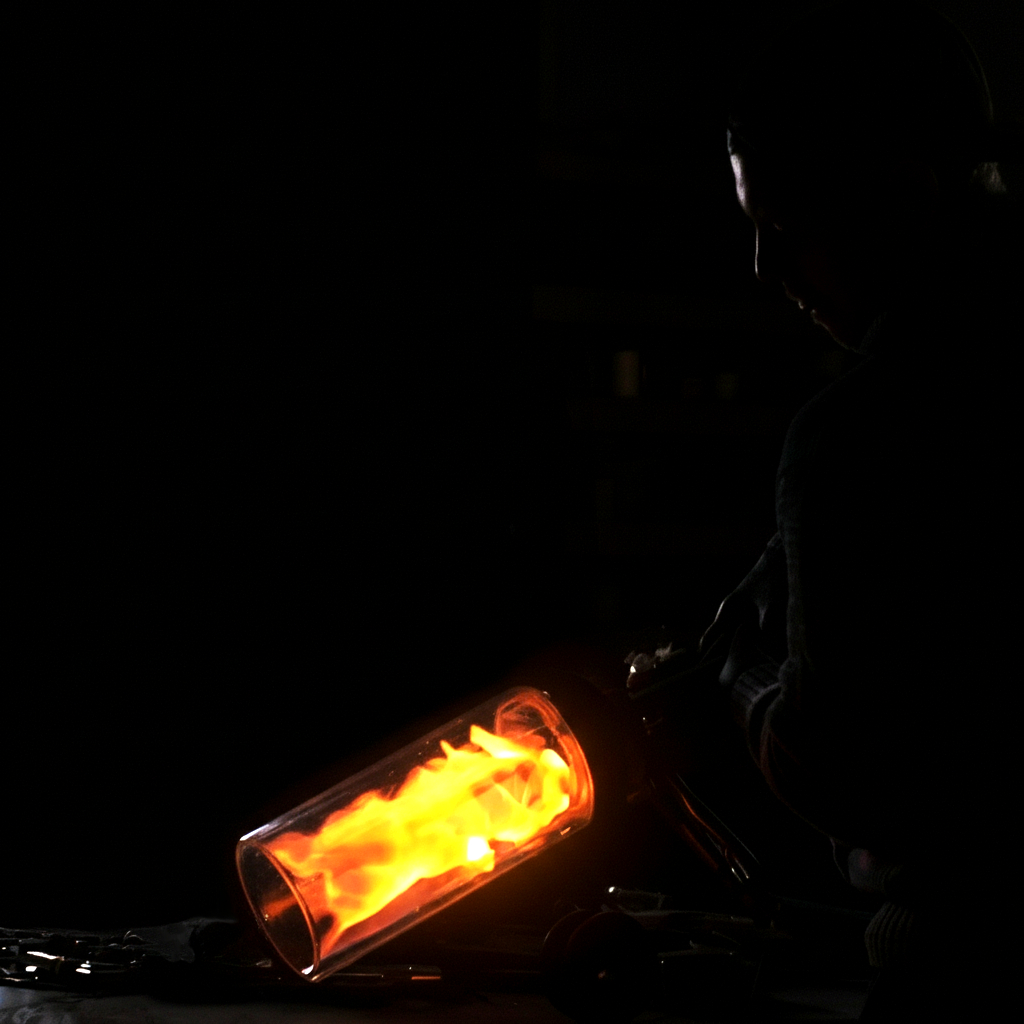
Portable liquid-fuel torches are a distinct category, not an alternative fuel source for a gas feature. HaloFire’s Helion™ is a glass-free liquid-fuel vortex torch. Its vertical form can serve a different design role from a central gas fire pit or a permanent gas feature. Consider how portability, flame position, and the intended use of the area relate to the property before choosing a direction.
Custom fire design for a considered project
Some outdoor spaces call for a feature designed in relation to the architecture rather than selected as a standalone focal point. HaloFire offers custom architectural fire design for projects where the flame needs to work with walls, terraces, landscape, or water. The design starts with the setting and the role fire should play, then considers how form and flame can fit without interrupting circulation or views.
This approach can suit a project with a strong architectural concept, a particular visual axis, or an outdoor area with several connected uses. A custom feature isn’t automatically the right choice for every property; a defined product may suit a simpler plan. Match the scale and placement of the fire feature to the setting, then plan around the applicable product requirements.
For homeowners weighing fire features to increase property value, HaloFire’s architectural approach offers a way to focus on design coherence and real use rather than a promised financial outcome. Permanent gas features, portable liquid-fuel torches, and custom architectural fire each serve different purposes. The best fit depends on the property, the desired flame experience, and how the outdoor area is meant to function.
Explore HaloFire's outdoor fire features to consider which approach fits your project.
Let the Design Lead Your Next Step
Start with a design brief. Collect a few images that capture the atmosphere you want, then note what feels right about each one: the flame’s position, the surrounding forms, or the way the outdoor space connects to the home. This gives you a clearer reference point as you consider fire features to increase property value.
Bring that direction into your next stage of planning. Explore HaloFire's outdoor fire features and find inspiration for a design that feels distinctly your own.
A considered vision is a strong place to begin.
Frequently Asked Questions
Can an outdoor fire feature increase property value?
An outdoor fire feature may strengthen a home’s appeal, but it can’t guarantee a higher appraisal or sale price. The value of fire features to increase property value depends on the property, its condition, and relevant market evidence. A buyer might appreciate a finished outdoor setting, while an appraiser considers comparable properties and other factors. Treat potential buyer interest and documented financial value as separate outcomes.
Do fire pits increase home value more than outdoor fireplaces?
Neither format guarantees a higher return. A fire pit can center a seating arrangement, while an outdoor fireplace may create a vertical backdrop for a patio or courtyard. Picture the space in use: would a central feature leave comfortable routes between doors and seats, or would a fireplace better frame the area? Let the home’s layout and existing architecture guide the choice rather than assuming one type has a resale advantage.
What type of fire feature is best for resale appeal?
There’s no universal best option. Consider whether a feature suits the property’s scale, intended placement, and desired degree of permanence. A vertical feature may relate naturally to a column or entry, while a fire pit may suit a patio organized around shared seating. Look at the feature from the house as well as the yard, and assess whether its form connects with existing architectural details.
Does adding a gas fire feature require permanent gas-line installation?
Some gas features use a permanent gas connection, while the connection approach depends on the specific product configuration. Factor fuel supply and installation coordination into early site planning instead of assuming one setup fits every project. For a permanent gas installation, follow the product instructions and applicable local requirements, and have gas piping and final connections completed by appropriately qualified professionals. This helps align the feature with the property’s infrastructure.
Can a portable fire feature add visual appeal without a permanent gas line?
Yes. A portable liquid-fuel feature can add visual interest without a permanent gas-line connection. HaloFire liquid-fuel products use compatible HaloFire fuels as specified for each product, a separate approach from gas-powered features. Before choosing a location, consider how the feature relates to seating and circulation, then follow its product-specific operating and placement instructions. Don’t assume portability guarantees a particular runtime, weather performance, or resale benefit.
Should I add a fire feature before selling my home?
Consider the project in relation to your property and listing plans, not an assumed sale-price increase. First decide whether the outdoor area has a clear design purpose that a fire feature would support. Then weigh the intended use, the feature’s permanence, and the scope of coordinating its placement and installation. If the space already functions well, a new feature may not be the most useful change for your goals.
How do I choose between a vertical fire feature and a fire pit?
Choose based on where you want the flame to sit in the composition. A fire pit typically anchors the center of a gathering area; a vertical feature can relate to a wall, column, or entrance. Compare how each option affects circulation and views, then consider whether you prefer a permanent installation or a portable format. Fuel approach varies by product, so follow the specific product requirements rather than assuming one format adds more value.