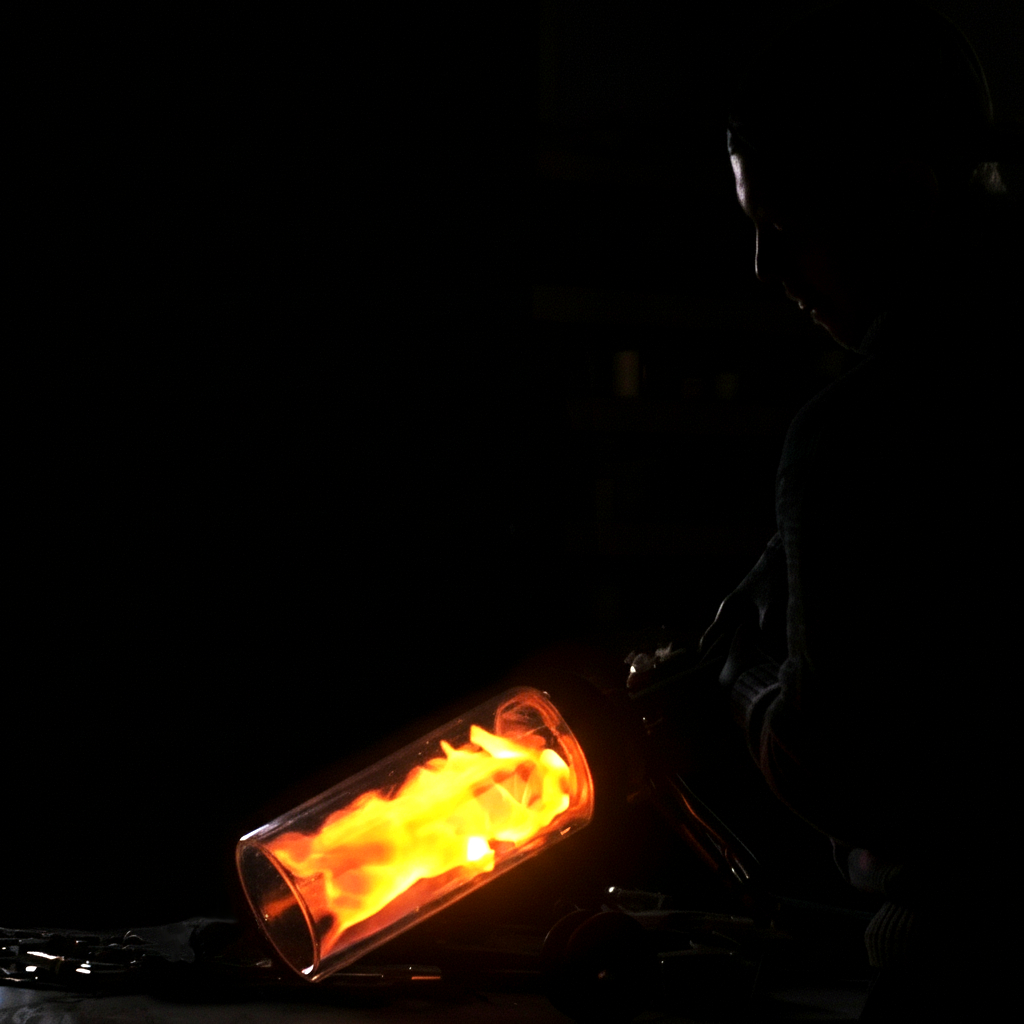

Liquid Fuel Torch Maintenance: How to Care for Outdoor Torches and Lanterns
Oct 14, 2026
Liquid-Fuel Torch Maintenance: Start with Your Exact Model
Liquid-fuel torch maintenance isn't one-size-fits-all. Before you clean, store, or service an outdoor torch, identify the exact model and follow the instructions written for it. Advice meant for a different torch, a paraffin lantern, or industrial equipment can lead to the wrong cleaning method or the wrong fuel.
Key Takeaways
- Use the instructions for your exact torch model, not a universal cleaning routine.
- Keep inspections visual. Don't take parts apart unless the instructions tell you to.
- Vortek™ Liquid-Fuel Torch and Vortek™ NG/LP Gas Torch are separate products. Always use the full product name.
- The Vortek™ Liquid-Fuel Torch is compatible with CitroFlame™ and ClearFire™ only. Don't apply paraffin lantern guidance to a HaloFire product.
- Never put liquid fuel in a gas product.
Why the Exact Model Matters
A decorative outdoor torch and an industrial torch may both burn liquid fuel, but their parts, operation, and care are not interchangeable. The same goes for torches that look alike. Construction, components, and service points differ from model to model, so a familiar-looking wick, reservoir, or burner doesn't mean another product's advice applies.
This is also why online search results can mislead you. OSHA guidance on oxygen-fuel welding and cutting, or a welding setup checklist, covers that equipment only. It isn't a care guide for a decorative outdoor torch.
If you can't identify your torch's model, find that information before doing anything else.
What to Inspect
Inspection means looking, not disassembling. With your model's instructions in hand, check for:
- Visible damage
- Parts that appear loose or out of place
- Anything that looks different from the product's documented condition
Don't remove parts, probe openings, or adjust the torch based on advice for another model. It helps to note what you saw and when, so you have a clear reference when you check the instructions.
Stop using the torch if you notice visible damage, apparent fuel leakage, or unexpected flame behavior. Consult the instructions for your model before using or servicing it again. If the instructions don't cover what you're seeing, don't guess.
Fuel: Keep Lantern and Torch Guidance Separate
Paraffin lanterns and decorative liquid-fuel torches are different product categories. Lamp oil that works in a lantern is not automatically safe for a torch, and a similar-looking container doesn't establish compatibility. Always read the fuel label alongside your torch's instructions.
For HaloFire's Vortek™ Liquid-Fuel Torch:
- CitroFlame™ is recommended for the strongest, longest-lasting vortex.
- ClearFire™ is compatible for shorter sessions.
These compatibility details apply to the Vortek Liquid-Fuel Torch only. They don't authorize either fuel for other products.
| Product | Fuel | Instruction Source |
|---|---|---|
| Traditional paraffin lantern | Fuel specified for that lantern | Lantern manufacturer's instructions and fuel label |
| Vortek™ Liquid-Fuel Torch | CitroFlame™ or ClearFire™ | Vortek instructions and fuel label |
| Vortek™ NG/LP Gas Torch | Per gas product instructions | Gas torch product instructions |
If the model name and fuel label don't clearly match, stop and check the instructions before filling or lighting the torch.
A Simple Care Routine
- Identify the torch. Confirm the exact model.
- Consult its instructions. Find the directions for that product and fuel.
- Inspect as directed. Check only what the documentation describes, at the intervals it gives.
- Record changes. Note what looks different without guessing at the cause.
- Follow the documented next step. If a concern falls outside the instructions, keep the torch out of use rather than improvising.
The same rule covers cleaning, storage, and servicing. Don't choose a cleaning product, tool, or storage method based on what worked for another torch.
Choosing the Right HaloFire Torch
Start with the role fire will play in your space. Think about sightlines, how people move through the area, and whether the flame should be the focal point or complement another feature. Then decide between a portable piece and a permanent architectural element.
HaloFire offers both. The Vortek™ Liquid-Fuel Torch is a portable vortex torch that brings vertical fire to any outdoor setting, with a short post mount as its standard mounting. The Vortek™ NG/LP Gas Torch is a permanent gas feature. Whichever you choose, its instructions are your reference for setup, operation, and care.
[Explore HaloFire's outdoor fire features →]
Frequently Asked Questions
How often should I maintain a liquid-fuel torch?
Follow the inspection interval in your model's instructions, whether that's a check before each use, periodic care, or both. Keeping a simple log of dates and checks gives you a useful reference.
Can I use paraffin lamp oil in a HaloFire liquid-fuel torch?
Don't assume so. The Vortek™ Liquid-Fuel Torch is compatible with CitroFlame™ and ClearFire™. For any torch, match the full model name to its instructions and the fuel label before filling.
What should I do if my torch looks damaged?
Stop using it and check the instructions for your exact model. Note what you see and when. Don't test the torch or try to fix it yourself.
Can I use welding-torch maintenance instructions for an outdoor torch?
No. Welding and cutting guidance covers that equipment only. Use the documentation for your specific outdoor torch.
How do I clean a liquid-fuel torch?
Follow only the cleaning directions for your model, and apply them only to the parts they name. Don't assume a household cleaner or tool is suitable.
Is the Vortek™ Liquid-Fuel Torch the same as the Vortek™ NG/LP Gas Torch?
No. The Liquid-Fuel Torch is portable; the NG/LP Gas Torch is a permanent gas installation. Always use the full product name when looking up instructions.
How should I store a liquid-fuel torch between uses?
Follow the storage guidance for your model and fuel, including any difference between short breaks and longer periods of non-use. If you can't find guidance that applies, don't guess at draining, covering, or moving the torch.