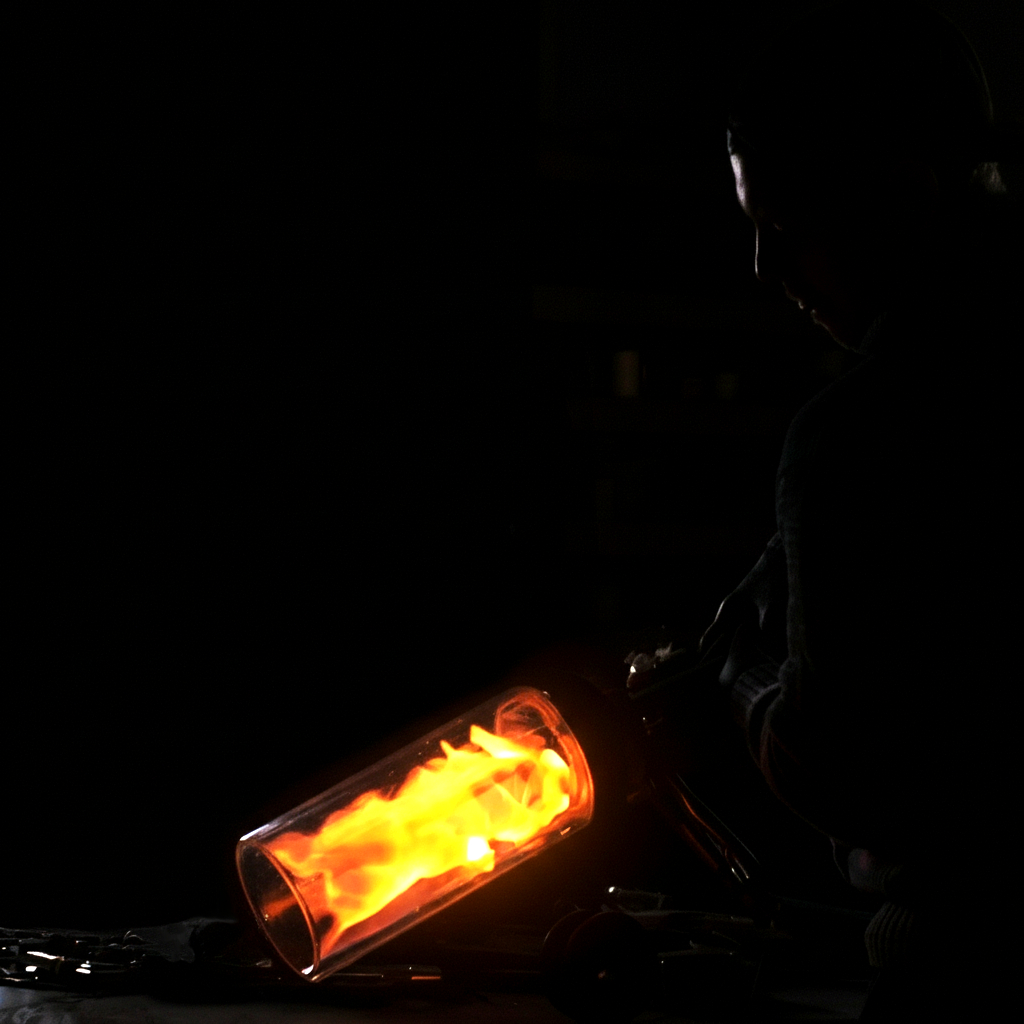

Statement Piece for an Outdoor Patio: How to Choose in 2026
Oct 19, 2026
What makes a focal point feel intentional rather than oversized? The right statement piece for outdoor patio design relates to the architecture, suits the available space, and supports how you use the patio day to day.
Choosing one can be difficult when sculpture, water, seating, and fire each offer a different visual direction. Start with the patio itself: its proportions, sightlines, materials, and everyday uses. A feature that draws attention across a broad entertaining area may not suit a compact lounge or narrow terrace.
This guide compares focal-point options and explains how to match them to your patio’s layout and character. It also looks at architectural fire, including vertical fire, and the differences between portable and permanent approaches. Use these criteria to choose a feature that works with the architecture and fits the project’s installation context.
Key Takeaways
- Choose a statement piece for outdoor patio design by considering its visual role, scale, and relationship to the home, not just its size.
- Compare sculptural objects, statement seating, pergolas, and architectural fire to see how each can shape the patio in a different way.
- Weigh portable, wall-mounted, and permanent fire features against your layout and installation context.
- Use a simple planning sequence: identify the view, define how you’ll use the space, assess scale, select a category, and plan placement.
- Explore how vertical and vortex fire can create a focal point, including HaloFire options for different project contexts.
What makes a statement piece for an outdoor patio work?
A statement piece earns attention by giving the patio a clear visual center. It doesn’t have to be the biggest object or the boldest color. Its role is to connect the home, the landscape, and the way people use the outdoor area.
A patio statement piece is the primary visual anchor that organizes attention and helps the rest of the outdoor space feel connected.
That anchor can also help organize the layout. Seating may face a fire feature, gather around a distinctive table, or turn toward a garden view. The focal point can signal where to pause and help define routes between dining, lounging, and the home’s doors.
Think in layers. Choose one lead feature, then let furniture, planters, and smaller accessories support it. A sculptural object can lead a quiet corner, while nearby seating and greenery give it context without competing for attention. The principles of landscape design, including balance and visual hierarchy, can help you assess how those layers work together.
How do you identify the natural focal point?
Look at the patio from inside the home, especially from rooms you use often, then consider the first view as you approach. Note what already draws the eye: a mature tree, a garden vista, a strong exterior wall, or an architectural detail. Where people naturally gather can also reveal a useful location for a focal point.
Next, decide whether to reinforce or redirect attention. A fire feature might give a plain wall purpose, while a sculpture could frame a view without blocking it. The new feature should strengthen the patio’s best qualities, not compete with a striking landscape or create several equally prominent focal points.
Should the statement piece be functional or sculptural?
Choose according to the patio’s everyday rhythm. If it regularly hosts conversation, dining, or evening gatherings, distinctive seating or an architectural fire feature can shape the arrangement while serving a clear purpose. For a quieter patio used for reading or enjoying a garden view, a primarily sculptural piece may provide enough focus without adding another activity.
Either direction can work. A functional feature can have strong visual character, and sculpture can shape the atmosphere without serving a practical purpose. Consider how often the space is used, what people do there, and what should hold their attention. Keep supporting elements quieter so the lead feature remains clear from the main views.
Compare patio statement-piece ideas by scale, function, and visual impact
Different focal-point categories shape a patio in different ways. Sculpture draws the eye while preserving an open plan; seating gives the space a practical center; a pergola defines an outdoor room; architectural fire adds visible flame to the composition. Compare options by how they fit your layout and intended use, rather than looking for one choice that works for every patio.
| Category | Visual role | Space relationship | Planning considerations |
|---|---|---|---|
| Sculptural object | Creates a visual marker or accent | Can preserve open circulation when placed outside key paths | Consider how it reads from the home and whether nearby details compete with it |
| Statement seating | Signals where conversation or lounging happens | Uses floor area and shapes the arrangement around its position | Plan for movement, additional seats, and the direction people face |
| Pergola | Adds an overhead architectural frame | Defines a zone and changes the sense of enclosure | Relate its form and placement to the home’s architecture and open views |
| Architectural fire | Creates a focal point through visible flame | Can be integrated into a wall or placed within an outdoor composition | Consider sightlines, intended use, product instructions, and installation context |
The best focal point depends on how it relates to the setting. A compact patio with a clear garden view may benefit from a smaller sculptural accent, while a broad terrace may have room for a more substantial feature. Existing lines matter, too. A strong roofline, stone wall, or framed doorway can guide decisions about shape and placement.
When does furniture or sculpture make the stronger anchor?
If conversation and lounging define the patio, statement seating can make the layout immediately legible. Let the seating arrangement set the zone, then use quieter tables or planters to support it. Sculpture may be a better choice where a view or clear route should remain open. Place it where it can be seen without interrupting movement, and keep nearby accents restrained.
When can architectural fire become the focal point?
Vertical fire adds height and gives the eye a distinct feature to follow. A pergola frames the space overhead, and furniture supports an activity; architectural fire makes the flame part of the composition. It can suit a patio that needs a visual feature connected to a wall or placed within an open gathering area. HaloFire’s architectural fire features offer one design direction for projects where flame is part of the plan. Choose placement and installation according to the product instructions and applicable local requirements.
Portable, wall-mounted, or permanent: compare outdoor fire-feature approaches
Fire can be a striking focal point, but it doesn’t suit every patio plan. The form affects where a feature can sit, how it relates to the architecture, and what the installation involves. Portable liquid-fuel torches, a stand-alone gas feature, wall-mounted designs, and permanent-install features are distinct approaches. Compare them by placement flexibility and how closely they need to integrate with the project.
A fire feature can work well as a patio focal point when its position supports circulation and sightlines. If the layout feels tight or the feature competes with a more important view, another focal-point category may be a better fit. Follow the specific product instructions for placement and operation, since requirements depend on the product and installation context.
What does a portable fire feature change in the design?
Portable liquid-fuel torches can suit patios that aren’t organized around a permanent gas feature. Their placement can be considered separately from fixed architectural elements such as a wall or built-in composition. Portable and stand-alone aren’t interchangeable terms, though. HaloFire’s Torrent™ Stand-Alone Vortex Fire Feature is a freestanding gas feature that provides vertical vortex fire without a permanent natural-gas line. It is distinct from HaloFire’s portable liquid-fuel torches.
Plan placement around seating, walking paths, and the patio’s intended use. Don’t assume a feature is meant to be moved during operation or stored in a particular way; follow its specific instructions. This keeps the design decision grounded in the actual product and setting, rather than assumptions about a category label.
How do wall-mounted and permanent features integrate with architecture?
A wall-mounted feature makes a vertical surface part of the composition. The Torrent™ Wall Mounted Torch is a permanent architectural wall-mounted vortex gas fire feature. The Torrent Tower™ is a separate permanent-install vertical vortex gas fire feature, positioned within the outdoor composition rather than mounted to a wall.
Consider how each option relates to the home’s elevations, material transitions, and sightlines. Permanent gas piping and final connections should follow product instructions and applicable local requirements, and be completed by appropriately qualified professionals. HaloFire’s architectural fire designs offer a reference for considering how a feature can relate to its outdoor setting.
Use this patio design checklist to choose and place one focal piece
A short sequence can turn an open-ended design choice into a practical decision. Use it to connect the feature to how the patio looks and works, then assess whether its placement fits the project.
- Identify the view. Look from the rooms that open onto the patio and from the main approach. Note which views deserve attention and which existing features already draw the eye.
- Define the use. Decide whether the area is primarily for dining, conversation, or quieter time. This helps determine whether the focal point should support an activity or provide visual interest.
- Assess scale. Compare the feature’s visual presence with nearby walls, furniture, and open floor area. Consider how its proportions will read from close and distant viewpoints.
- Choose a category. Select the type of feature that fits the patio’s character and purpose, such as seating, sculpture, a pergola, or architectural fire.
- Plan placement. Check how the feature relates to seating orientation, circulation routes, doors, and the home’s architecture before settling on its position.
Sightlines and intended use quickly narrow the focal-point choices. A feature that works from the main seating area may feel intrusive from inside the home or interrupt a route between the house and dining area. Evaluate the patio as a connected part of the home, not as an isolated display.
How can you keep one statement piece from overwhelming the patio?
Compare the feature’s apparent scale with the architecture around it. A tall object beside a low wall may dominate the composition, while the same height could feel balanced against a taller façade. Check it from the patio entrance, seating area, and indoors. If several objects compete for attention, edit supporting decor before adding more. One clear lead feature leaves the setting room to breathe.
What should you plan before selecting a real-flame feature?
Decide whether the project calls for portable placement or permanent architectural integration, then consider how each approach affects the layout and installation context. Follow the specific product instructions for placement and operation. Permanent gas piping and final connections should follow applicable local requirements and be completed by appropriately qualified professionals. HaloFire does not provide on-site gas-line installation.
With those decisions in view, you can assess whether fire belongs in the composition and which approach aligns with the patio plan. Explore HaloFire fire-feature options as you consider a focal point designed around the flame.
Bring architectural fire into your patio design with HaloFire
HaloFire designs and manufactures outdoor architectural fire features and vortex torches with the flame at the center of the design. Vertical fire can give a patio a clear focal point, drawing attention upward and connecting a feature to a wall, terrace, or broader outdoor composition. Vortex flame movement adds another visual form. The right choice depends on the architecture and installation context, not a promised flame outcome.
Start with the role the feature should play. A wall-integrated design can make an existing surface part of the composition. A freestanding vertical feature can establish a focal point within an open area. If the design calls for a closer fit to the site, custom architectural fire design can be considered alongside the project’s overall layout.
Which HaloFire direction fits your patio concept?
For a feature integrated with a wall, the Torrent™ Wall Mounted Torch is a permanent architectural wall-mounted vortex gas fire feature. The Torrent Tower™ is a separate option: a permanent-install vertical vortex gas fire feature that sits within the outdoor composition rather than mounting to a wall. Each approach relates to the architecture differently, so consider available surfaces, sightlines, and how people move around the patio.
The Torrent™ Stand-Alone Vortex Fire Feature offers another direction. It provides vertical vortex fire without a permanent natural-gas line, making its project context distinct from the wall-mounted and permanent-install examples. Product form alone doesn’t determine placement. Follow the specific instructions for the feature, and consider the patio’s use and layout when planning its position.
How can custom architectural fire support a considered design?
Some projects call for fire to be considered alongside the surrounding architecture from the outset. HaloFire offers custom fire feature design for project-specific contexts. A feature might relate to a wall or column, align with the geometry of a terrace, or become part of a broader landscape composition that includes water. Considering the design intent early can help connect the feature to its setting rather than adding it after the main decisions are made.
For a permanent gas feature, piping and final connections should follow the product instructions and applicable local requirements, with gas work completed by appropriately qualified professionals. Placement and integration need to be considered alongside those project requirements.
If vertical or custom architectural fire fits your patio plan, explore HaloFire’s architectural fire torch design and consider how the flame can contribute to the composition.
Give your patio a focal point with purpose
A strong design decision can shape how the patio feels long after the finishing details are in place. Before settling on a statement piece for outdoor patio design, picture the space in use: where people gather, what they see from indoors, and how the feature relates to the home. That gives the project direction without requiring every detail to be settled at once.
If fire fits the space, consider how its form can contribute to the architecture, from a vertical accent to a feature planned around the larger setting. HaloFire’s architectural approach offers a starting point for exploring options.
Explore HaloFire’s architectural fire features and discuss a custom fire feature design for your patio.
Frequently Asked Questions
What makes a good statement piece for an outdoor patio?
A good focal point gives the patio a clear visual lead while fitting the setting around it. A feature aligned with a strong doorway or wall can feel integrated, while one that blocks a garden view may feel misplaced. The largest object isn’t automatically the best choice. Select one lead element, then use smaller decor to support its materials or shape without competing for attention.
Can a fire feature be a statement piece on a small patio?
Yes, if the particular feature fits the layout and installation context. A compact patio may have limited routes between a doorway, chairs, and a dining area, so map those paths before choosing a focal point. Consider how the feature will read beside nearby architecture and from the main seating position. For real-flame use, follow the product-specific instructions and applicable local requirements rather than relying on a universal placement rule.
How do I choose between a fire feature and statement patio furniture?
Let the patio’s main activity guide the decision. If people gather there primarily to talk or lounge, distinctive seating can shape the experience and the arrangement. A fire feature may be the stronger choice when the design calls for a visible focal point beyond the furniture itself. Either can relate well to the home’s architecture. Avoid selecting multiple oversized features that divide attention or crowd the usable area.
Are portable and permanent outdoor fire features the same?
No. Portable and permanent features differ in how they fit into the patio plan and the project’s installation context. A portable option can suit a design that isn’t organized around a fixed gas feature, while a permanent feature can be considered as part of the architecture. For permanent gas products, follow the specific instructions and applicable local requirements. Gas connections should be completed by appropriately qualified professionals.
How do you make a patio focal point feel connected to the house?
Study the patio from inside the home before settling on a feature. Notice how doorways frame the view and how flooring, wall finishes, or structural lines continue outdoors. The focal point can echo a material or form without repeating interior decor literally. Seating direction also matters: orienting chairs toward the feature or a shared view helps connect the outdoor arrangement to the home’s visual flow.
Does an outdoor statement piece have to be functional?
No. A sculptural object can anchor a patio visually, while seating or a fire feature can combine a strong presence with a practical role. Start by deciding whether the space is meant for dining, conversation, or quieter use. A patio designed mainly for looking out over a garden, for example, may not need another functional element. Choose a feature that supports the space’s purpose rather than adding an activity it doesn’t need.
Can a wall-mounted fire feature work as patio art?
A wall-mounted fire feature can serve as an architectural focal point when its position works with the wall, sightlines, and the patio’s overall composition. The Torrent™ Wall Mounted Torch is HaloFire’s permanent wall-mounted vortex gas fire feature. Consider how it appears from the home and main gathering area, and follow its product instructions and applicable local requirements when planning placement and installation.