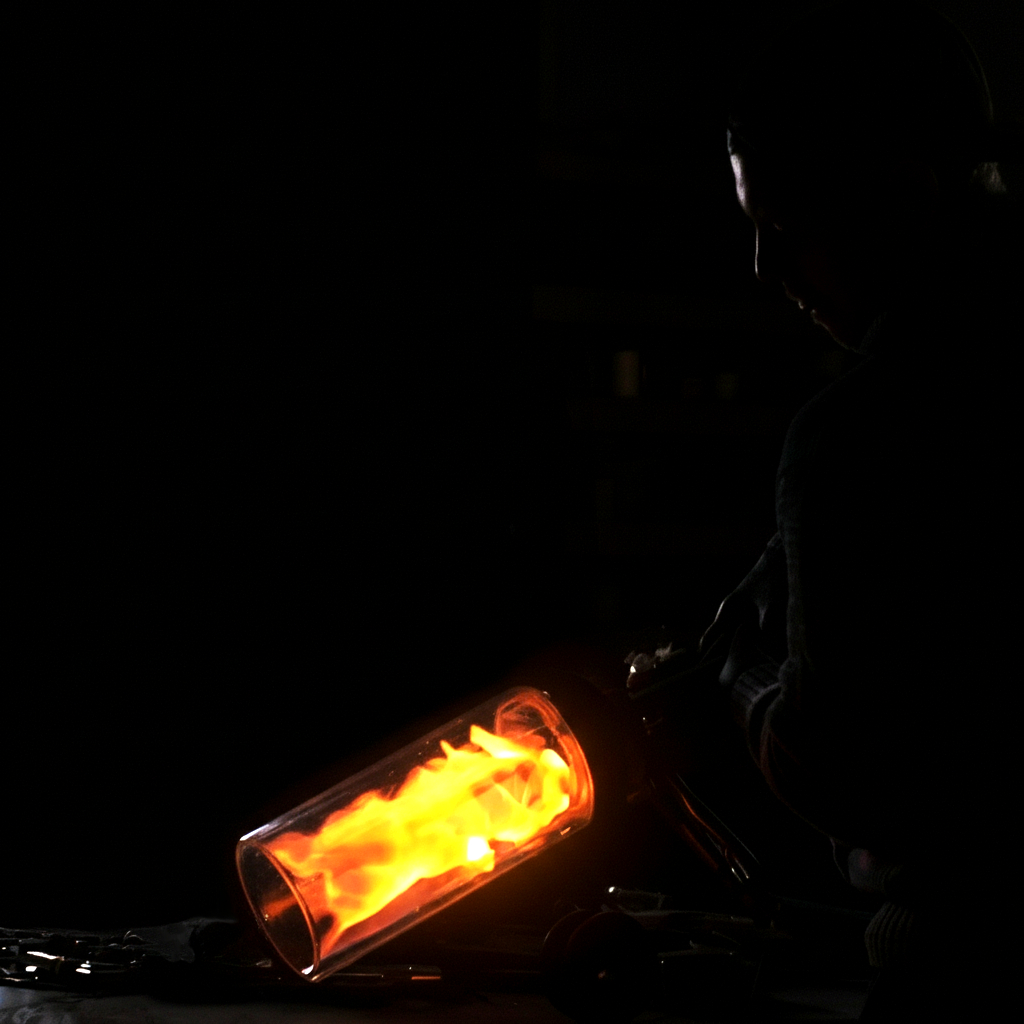

Outdoor Patio Heater vs. Architectural Fire: How to Choose
Oct 16, 2026
Outdoor Patio Heater or Architectural Fire Feature? How to Choose
The most striking flame may not be the right choice when warmth is your priority. An outdoor patio heater is designed to heat a seating area. An architectural fire feature puts the flame itself at the center of the outdoor experience. Both shape how a space feels, but they do different jobs, and many of the best outdoor spaces use both.
This guide compares the main patio heater types, explains how they differ from architectural fire, and helps you decide which your space needs, or how to combine them. It also shows where HaloFire's vortex torches fit when you want fire to be part of the design.
Key Takeaways
- Choose a patio heater when warmth is the priority. Choose an architectural fire feature when the flame and its place in the design matter most.
- "Electric" and "gas" describe the energy source. "Infrared" describes how heat is delivered. Compare the exact model's specifications, not just the category.
- A fire feature produces heat near the flame, but it isn't a substitute for a heater's rated performance.
- When you want both warmth and atmosphere, plan heaters for the seating and fire for the focal point.
- Follow the instructions for any real-flame product. Permanent gas installations should be completed by a licensed gas professional.
Patio Heater vs. Fire Feature: Different Jobs
A patio heater is an appliance chosen for a defined heating task: warming a dining table, a lounge group, or a covered terrace. Its energy source, rated performance, and placement options decide whether it fits.
An architectural fire feature starts from a different question: where should the flame sit, and how should it relate to the architecture? It makes fire visible, gives the space a focal point, and changes how the space feels after dark. It also produces heat near the flame, but that doesn't make it a heater or mean it delivers comparable warmth.
Start with how you'll use the space
Do you want warmth for dining, a focal point for gathering, or both? On a dining terrace, a heater is usually the practical priority. In a courtyard organized around a gathering spot, a visible flame may matter more. A hospitality space often needs both: heat at the tables and a flame feature that anchors the courtyard.
Electric, Gas, and Infrared Patio Heaters
Heater labels describe different things, and some products combine categories. Check the exact model's specifications rather than assuming two heaters in the same category perform alike.
| Type | Typical setting | What to check |
|---|---|---|
| Electric | Patios with a suitable electrical supply | Power requirements, mounting method, placement instructions |
| Infrared | Spaces where direct radiant heat suits the use | Energy source, specifications, stated coverage |
| Propane | Spaces without a fixed gas supply | Fuel arrangement, placement, operating instructions |
| Natural gas | Projects planned around a fixed gas connection | Installation requirements and professional installation |
Before comparing models, map the area you want to warm, whether a dining table or a lounge group, and check where each product can be placed or mounted under its instructions. If a heater's stated coverage doesn't match your layout, its category won't solve the mismatch.
Comparing Heaters and Architectural Fire
| Patio heater | Architectural fire feature | |
|---|---|---|
| Primary purpose | Warm an outdoor seating area | Make a visible flame part of the design |
| Flame | Depends on the heater type | The flame is the focal point |
| Placement | Positioned for heat coverage, per product instructions | Planned around walls, entrances, sightlines, and landscape |
| Judged by | Rated heat output and coverage | How it looks, where it sits, and how it shapes the space |
Using both
Heaters and fire features work well together. Place heaters where people sit, and place fire where it creates the view: framing the entrance, marking the terrace edge, or rising beside the pool. Assess each against its own job, then plan them as one layout.
How to Choose for Your Space
- Set the primary goal. Warmth, a focal point, or both? If both, decide which is essential.
- Map the space. Mark the seating, paths, overhead structures, and the views that matter. A heater should cover where people sit; a fire feature should work with sightlines and architecture.
- Compare product details. For heaters, check rated performance, power or fuel source, and placement options. For fire features, check fuel type, placement, and installation.
- Follow the instructions. Use each product's installation and operating instructions for placement and clearances. Permanent gas connections should be completed by a licensed gas professional following local requirements.
All real-flame and gas heating products need suitable placement and clearances, and those vary by product. Don't rely on a universal distance.
Where HaloFire Fits
HaloFire doesn't make patio heaters. It designs architectural fire, with a vortex flame that spins upward into a vertical column you can see from across the yard. When the goal is a living flame that becomes part of the architecture, HaloFire fits alongside your heating plan, not in place of it.
If you like the look of a tall freestanding heater
Many people shopping for a patio heater are drawn to the tall, freestanding silhouette. The Torrent™ Stand-Alone offers that form with the flame as the feature. It stands about 78 inches tall and runs on a concealed 20-pound propane cylinder, with no gas line required. It lights with a push-button switch, and its built-in hood covers the flame from rain. It's HaloFire's most popular gas torch, chosen for its spinning vortex flame rather than as a heat source.
Permanent architectural fire
For fire built into the architecture, the Torrent™ Wall Mounted Torch frames entrances and walls, the Tempo™ Tall Torch defines terrace edges and perimeters, and the Torrent Tower™ anchors open gathering areas.
Portable fire
For flame that moves with the gathering, HaloFire's portable liquid-fuel torches, including the glass-free Helion™, bring vortex fire anywhere without an installation. For more, see Portable Fire Features: Architectural Fire Without the Permanent Installation.
Custom architectural fire
For projects with a specific architectural vision, HaloFire designs custom fire installations. See Custom Outdoor Fire Features: Architectural Design Trends for 2026.
Give Your Outdoor Space a Point of View
Think about how the outdoor space should feel at different times of day, which views you want to keep, and where people naturally gather. Plan warmth where people sit and fire where it creates the view. Then you're not asking one product to do every job.
Ready to add architectural fire to your space? Explore HaloFire's architectural fire features.
Frequently Asked Questions
Is a fire torch the same as a patio heater?
No. A patio heater is designed and rated to warm a seating area. A fire torch, like HaloFire's vortex torches, is designed around the visible flame and its place in the design. It produces heat near the flame, but it isn't a substitute for a heater's rated performance.
Can I use a patio heater and a fire feature together?
Yes, and many spaces benefit from both. Place heaters to cover the seating, and place fire features where they frame the space and create a focal point.
Can a patio heater warm a covered patio?
Only if the specific heater is approved for that placement. Check its instructions for ventilation, clearances, mounting, and operating conditions before installing it under a roof or awning.
Are gas or electric patio heaters better?
Neither is automatically better. Compare the power or fuel available at your patio, the intended location, the installation needs, and each model's rated performance.
Can patio heaters be used in windy conditions?
Check the heater's operating limits and placement guidance, especially on exposed patios. Don't assume a model performs the same way in every setting.
Can a gas patio heater be converted from propane to natural gas?
Only if the manufacturer approves that conversion for the exact model. Permanent gas connections should be completed by a licensed gas professional.
Can I use a patio heater in an enclosed porch?
Don't assume an "outdoor" heater is suitable for an enclosed porch. Check the model's instructions for approved locations, ventilation, and clearances, and follow local requirements.
Should a patio heater be covered when not in use?
Follow the care and storage guidance for your specific heater. Never cover a heater while it's still hot.