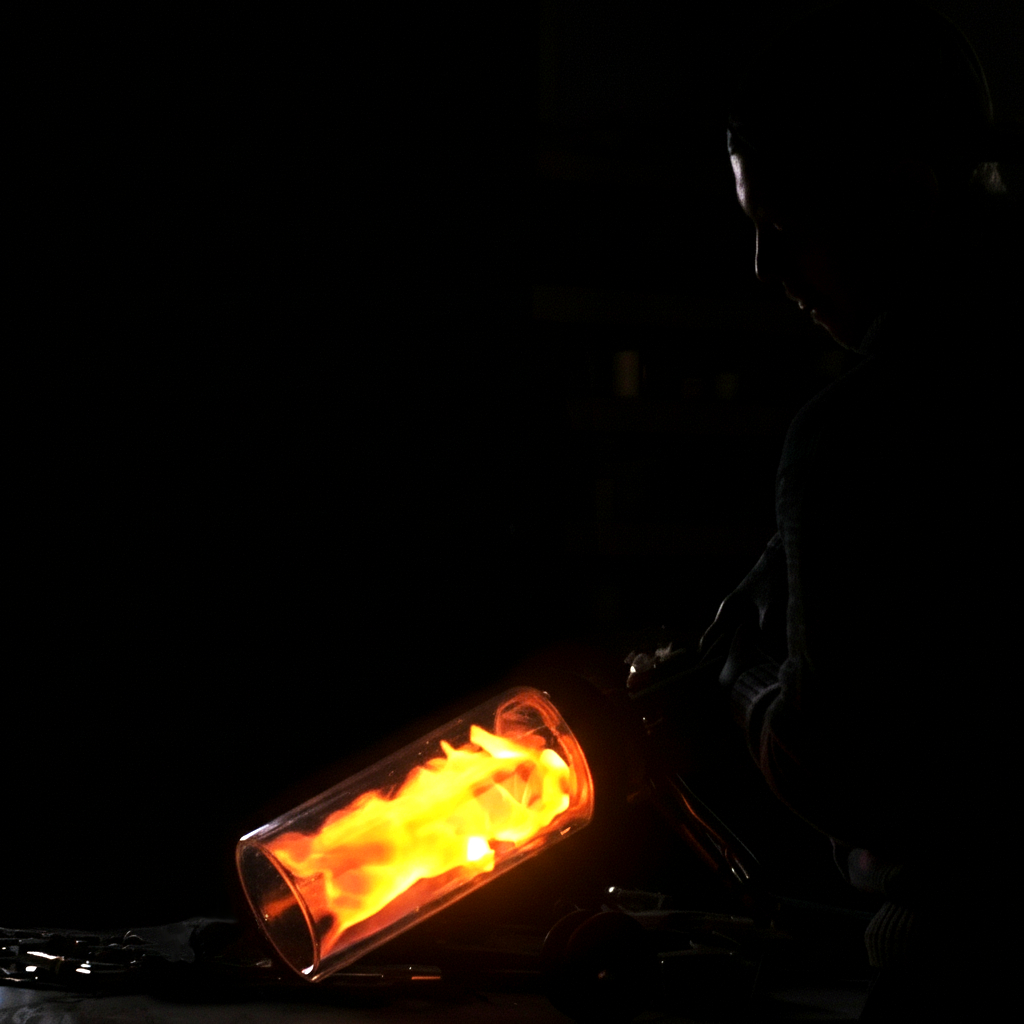

Outdoor Torches: A Guide to Architectural Fire, Fuel Types, and Design
Sep 22, 2026
The modern outdoor torch has evolved far beyond the familiar backyard torch. Today, vertical fire can become part of the architecture itself—framing an entrance, defining a pool deck, adding movement to a landscape, or creating a focal point across an outdoor living space.
Choosing the right outdoor torch starts with understanding how you want to use fire. Permanent natural gas and propane systems offer an integrated architectural solution, while portable liquid-fuel torches provide greater flexibility without requiring permanent gas infrastructure.
In this guide, we'll look at fuel types, mounting options, flame design, installation considerations, and the role vortex fire can play in contemporary outdoor environments.
Key Takeaways
- An outdoor torch can function as an architectural element rather than simply a source of light.
- Permanent natural gas and propane torches work well when fire is being integrated into the architecture or landscape.
- Portable liquid-fuel torches provide flexibility when permanent gas infrastructure isn't practical or desired.
- Flame character depends on burner design, fuel delivery, airflow, and the structure surrounding the flame.
- Product-specific installation instructions and clearances should always take precedence over generic recommendations.
- Vortex torches introduce movement to the flame, turning fire into a more dynamic visual element.
Understanding the Modern Outdoor Torch
Outdoor fire has traditionally centered around two familiar formats: horizontal fire pits and simple perimeter torches. Both still have their place, but architectural outdoor design has created room for another approach—vertical fire.
A well-designed outdoor torch draws the eye upward. It can establish rhythm along a walkway, frame an entrance, punctuate a poolscape, or introduce fire without occupying the amount of floor space required by a traditional fire pit.
The result is less about using fire strictly for illumination and more about using it as part of the overall composition of the property.
Beyond the Traditional Tiki Torch
The traditional tiki torch remains one of the most recognizable forms of outdoor fire. It's simple, portable, and well suited to casual backyard environments.
Architectural outdoor torches take the same fundamental idea—an elevated open flame—and approach it differently.
Materials, mounting systems, fuel delivery, flame scale, airflow, and overall proportions can all be designed around the surrounding architecture. Instead of being placed into a landscape as an accessory, the torch can become part of the landscape itself.
For contemporary homes, resorts, restaurants, and outdoor living environments, that distinction can make a significant visual difference.
The Visual Impact of Vertical Fire
A horizontal fire pit naturally creates a gathering point. Seating typically faces inward toward the flame.
Vertical fire serves a different purpose.
It can:
- Frame architecture: Torches can flank entrances, columns, walls, walkways, and outdoor rooms.
- Preserve sightlines: A narrow vertical fire feature can create substantial visual impact without introducing a large horizontal structure.
- Create repetition: Multiple torches can establish rhythm across a large property.
- Add movement: A dynamic flame introduces an organic element alongside stone, glass, metal, water, and landscaping.
- Connect spaces: Repeating fire elements can visually tie together different areas of an outdoor environment.
Neither vertical nor horizontal fire is inherently better. They simply solve different design problems.
Essential Criteria for Selecting an Outdoor Torch
Choosing an outdoor torch should begin with the property itself.
Consider where the flame will be located, how permanent the installation should be, what fuel infrastructure is available, and whether the goal is architectural integration or flexible placement.
Fuel Accessibility and Infrastructure
Properties with existing natural gas or propane infrastructure may be good candidates for permanent gas torches.
Permanent installations can be incorporated into walls, columns, hardscaping, landscape beds, and other planned architectural elements. For new construction or major renovations, gas lines can often be considered during the broader design process.
Finished properties present a different challenge. Running new gas lines beneath existing stone, concrete, pool decks, or mature landscaping may require considerably more work.
That's where portable liquid-fuel torches can offer an advantage. They allow real flame to be introduced without permanent gas plumbing and can be repositioned as the space changes.
Mounting Styles: Wall, Post, and Freestanding
The mounting system has a major effect on how an outdoor torch interacts with the architecture.
Wall-mounted torches work well on structural columns, exterior walls, entryways, and masonry features. They create vertical fire without consuming usable floor space.
Post-mounted torches can define pathways, pool perimeters, garden areas, and transitions between outdoor spaces.
Freestanding torches provide greater placement flexibility and can be used where permanent mounting isn't desirable.
Tabletop and portable torches bring the flame closer to gathering areas and can be moved as entertaining needs change.
The best choice depends on the scale and intended use of the space.
Flame Engineering and Airflow
The character of a flame isn't determined by fuel alone.
Burner design, fuel delivery, airflow, enclosure geometry, and surrounding structures can all influence flame height, movement, and shape.
Vortex fire takes this concept further by intentionally directing airflow to create rotational movement. Rather than presenting a conventional upright flame, the fire twists and moves as it rises.
This is one of the central ideas behind HaloFire's approach to outdoor fire: the flame comes first.
Permanent Gas vs. Portable Liquid-Fuel Torches
One of the biggest decisions when selecting an outdoor torch is whether to use a permanent gas system or a portable liquid-fuel system.
Both can create substantial visual impact, but they serve different applications.
Natural Gas and Propane Torches
Permanent gas torches are particularly useful when the fire feature is intended to become part of the architecture.
Natural gas and propane can both produce substantial architectural fire when the burner and fuel-delivery system are designed appropriately. Performance depends on factors including burner geometry, orifice sizing, supply pressure, piping, regulator capacity, and available gas volume.
For example, the HaloFire Vortek™ NG/LP Gas Torch is rated at 11,000 BTU/hr, with configurations designed for natural gas at 3.5 inches W.C. and propane at 11 inches W.C.
Propane should not automatically be considered hotter or visually superior to natural gas. A properly engineered system takes the characteristics and available supply of the selected fuel into account.
Permanent gas piping and final connections should follow the requirements for the specific product, applicable local codes, and the work of appropriately qualified professionals.
Liquid-Fuel Torches
Portable liquid-fuel torches provide a different kind of flexibility.
Because they don't require permanent gas piping, they can be useful on finished terraces, around seating areas, in gardens, or anywhere the design may evolve over time.
HaloFire offers two fuels for compatible liquid-fuel products:
ClearFire™ is HaloFire's clean-burning, smoke-free liquid fuel option.
CitroFlame™ incorporates citronella and is designed to produce a larger visible flame in compatible products while providing the outdoor benefits associated with citronella.
Always use the fuel specified for the individual product rather than substituting another fuel based on appearance or general category.
Using Both Across a Property
Permanent and portable fire don't have to be mutually exclusive.
A larger property might use permanent gas torches at an entrance or along major architectural features while incorporating portable liquid-fuel torches around secondary seating areas or locations where permanent gas lines aren't practical.
This creates a consistent fire language throughout the property while allowing each area to use the system best suited to it.
Site Planning, Clearances, and Installation
Every real-flame product creates heat, which makes placement an important part of outdoor fire design.
Rather than relying on a universal clearance rule, follow the installation and clearance requirements for the specific fire feature.
Overhead and Surrounding Materials
Open flame requires consideration of both vertical and lateral surroundings.
Roof structures, pergolas, vegetation, umbrellas, fabrics, furniture, and other combustible materials should all be considered when determining placement.
Glass and metal components surrounding a flame can also become hot during operation. A glass enclosure can help shape or protect a flame, but it does not eliminate the heat associated with real fire or make a fire feature safe for unsupervised children or pets.
Product-specific instructions should determine the final placement.
Gas Infrastructure
Permanent gas systems require more planning than portable torches.
The available fuel supply needs to support the combined demand of the appliances expected to operate at the same time. Pipe sizing, pressure, run length, regulators, and burner requirements can all affect performance.
For projects involving several fire features, this is particularly important. A beautiful burner cannot compensate for inadequate gas supply.
HaloFire does not provide on-site gas-line installation. Permanent gas piping and final connections should be completed according to the specific product requirements, applicable local regulations, and by appropriately qualified professionals.
Mounting and Environmental Conditions
The mounting method should be appropriate for the particular torch, substrate, and installation environment.
Wall construction, hardscape materials, structural support, exposure, and local conditions can all affect the appropriate installation method. Follow the mounting requirements supplied with the specific product rather than applying a generic anchoring method across all installations.
Environmental exposure also matters. Coastal environments, for example, can place additional demands on exterior finishes and may require more frequent cleaning because of airborne salt.
HaloFire Outdoor Torches: Designing Around the Flame
HaloFire approaches outdoor fire from a simple premise:
The flame comes first.
Rather than treating fire as an accessory added to an enclosure, HaloFire develops products around flame movement, airflow, proportion, and the way the fire interacts with the surrounding architecture.
That approach has led to both permanent gas systems and portable liquid-fuel designs.
Torrent™ Wall Mounted Torch
The Torrent™ Wall Mounted Torch brings vortex fire directly into the architecture.
Designed for permanent wall-mounted applications, Torrent is available with 24-inch, 32-inch, and 48-inch glass heights. The corresponding overall heights are approximately 34, 42, and 56 inches.
Its vertical proportions make it particularly suited to columns, entryways, exterior walls, and architectural features where the flame can become part of the elevation rather than an object sitting in front of it.
Electronic ignition is included.
Torrent™ Stand-Alone
For projects that call for architectural-scale fire without a permanent natural gas connection at the placement location, the Torrent™ Stand-Alone provides another approach.
At approximately 78 inches tall and 40,000 BTU/hr, the freestanding system uses a standard 20-pound propane cylinder concealed within the base.
That combination makes it possible to introduce a large vertical vortex flame in areas where installing permanent gas infrastructure may not be desirable.
Vortek™ NG/LP Gas Torch
The Vortek™ NG/LP brings the vortex concept into a more compact permanent gas torch.
The fixture measures approximately 23 inches high by 6.5 inches wide by 6.5 inches deep and is rated at 11,000 BTU/hr.
Dedicated configurations are available for natural gas and propane, with the appropriate fuel configuration selected for the installation.
Tempo™ Tall Torch
At approximately 75 inches tall, the Tempo™ Tall Torch is designed to create vertical presence across larger outdoor environments.
Its narrow proportions make it useful where the design calls for height and flame without the footprint of a conventional fire pit or fireplace.
Tempo can work particularly well along walkways, landscape boundaries, pool areas, and larger architectural compositions.
Helion™: Glass-Free Vortex Fire
Helion™ takes a very different approach.
Instead of surrounding the vortex flame with a conventional glass enclosure, its patent-pending architecture uses an open lateral portion that allows the vortex to remain visible through the side of the all-metal structure.
The result is a rugged, portable liquid-fuel vortex torch without a glass cylinder.
Helion works best with CitroFlame™ and is also compatible with ClearFire™.
For outdoor spaces where portability and durability matter, it offers another way to introduce moving vertical fire without permanent gas infrastructure.
Vortek™ Liquid-Fuel Torch
The liquid-fuel Vortek™ combines the familiar post-mounted torch format with a tight, fast-moving vortex flame.
It provides up to approximately three hours of burn time with CitroFlame™, while ClearFire™ can be used for shorter sessions.
Because it doesn't require a permanent gas connection, Vortek can be incorporated into landscapes where flexibility is important while still delivering the visual movement associated with HaloFire's vortex designs.
Choosing the Right Outdoor Torch
There isn't one outdoor torch that's right for every project.
Start with the architecture.
If you're building or renovating and permanent gas infrastructure is already part of the project, a wall-mounted or post-mounted gas torch can become a true architectural element.
If the hardscape is already complete, portability may be more valuable. Liquid-fuel torches can introduce real flame without opening finished surfaces for new gas lines.
If you're designing a large property, consider using multiple types of fire. Permanent fire can anchor major architectural moments while portable fire adds flexibility to secondary gathering spaces.
And finally, consider the flame itself.
A conventional flame can provide warmth and atmosphere. A vortex adds another dimension: movement.
That's where fire begins to function as more than illumination.
It becomes part of the design.
Fire as Architecture
The best outdoor fire features don't compete with their surroundings. They become part of them.
Vertical fire can frame an entrance, establish rhythm along a pool, draw attention to a wall or column, or create a focal point visible from across the property. Permanent gas and portable liquid-fuel systems simply provide different ways of accomplishing that goal.
HaloFire develops both around the same idea:
Make the flame the focal point.
Whether you're designing a new property or adding fire to an existing outdoor environment, the right outdoor torch should complement the architecture during the day and transform it after dark.
HaloFire — Where fire is art.
Frequently Asked Questions
Can outdoor gas torches be converted between natural gas and propane?
It depends on the specific product. Never assume that a natural-gas torch can simply be converted to propane, or vice versa. Burner components and fuel-delivery requirements can differ between the two fuels. Use only configurations or conversion procedures specifically approved for the individual product.
How much heat does an outdoor torch produce compared with a fire pit?
The two products are generally designed around different experiences. A fire pit creates a low, horizontal flame and is often arranged as a gathering point. An outdoor torch emphasizes vertical flame and visual presence. Actual heat output varies significantly by product, burner design, BTU rating, placement, and operating conditions.
Can outdoor torches be installed beneath a covered patio or pergola?
That depends on the specific fire feature and its required clearances. Real flame produces substantial upward heat, so overhead structures and nearby combustible materials need to be considered carefully. Follow the installation and clearance requirements supplied for the specific product.
What is ClearFire™?
ClearFire™ is HaloFire's clean-burning, smoke-free liquid fuel for compatible HaloFire products. Because fuel compatibility varies by product, use only the fuel specified for the particular torch.
What is CitroFlame™?
CitroFlame™ is HaloFire's citronella liquid fuel for compatible outdoor torches. It is designed to provide a larger visible flame in compatible products while incorporating citronella for outdoor insect deterrence.
Do outdoor torches require professional installation?
Permanent gas torches require appropriate gas infrastructure and professional installation in accordance with the product instructions and applicable local requirements. Portable liquid-fuel torches do not require a permanent gas connection, although they should still be operated and positioned according to their product instructions.
How does a vortex torch create a rotating flame?
A vortex flame is created by controlling the way air enters and moves around the flame. Directional airflow introduces rotational movement, causing the rising flame to twist rather than simply travel straight upward. The exact method varies by product design.
HaloFire uses airflow as an integral part of several vortex-fire designs, including both glass-enclosed and glass-free architectures.